The right polymer clay kit can make classroom projects easier to organize, more affordable to stock, and more engaging for students. These selected sets range from compact beginner assortments to bulk packs with dozens of colors and shared tools.
When comparing polymer clay sets for classrooms, consider more than the color count. Portion size, packaging, sculpting accessories, baking requirements, age suitability, and storage can all affect how well a kit works in a group setting.
Best 10 Polymer Clay Sets for Classrooms Picks for 2026
Most Complete Kit
Shuttle Art 112-Color Polymer Clay Set

- 112 colors with 20 tools and 16 accessory types
- Non-toxic, non-sticky clay for ages 12+
- Useful for jewelry, ornaments, figures, and keychains
Best For: Older-student classrooms needing broad colors and accessories
Best Bulk Color Variety
Tomorotec 100-Piece Polymer Clay Pack

- 100 individually wrapped pieces in 82 colors
- Includes five modeling tools and instructions
- Soft, non-toxic clay designed for small projects
Best For: Color-mixing lessons and distributed classroom activities
Best for Shared Projects
60-Color Individually Wrapped Clay Kit

- 60 sealed colors help limit dried-out leftovers
- Includes 20 tools, 49 accessories, and a silicone mat
- Designed for school projects and beginner keepsakes
Best For: Mixed-age supervised activities and classroom craft stations
Best Tool Set for Groups
Pepy 35-Piece Clay Sculpting Tools
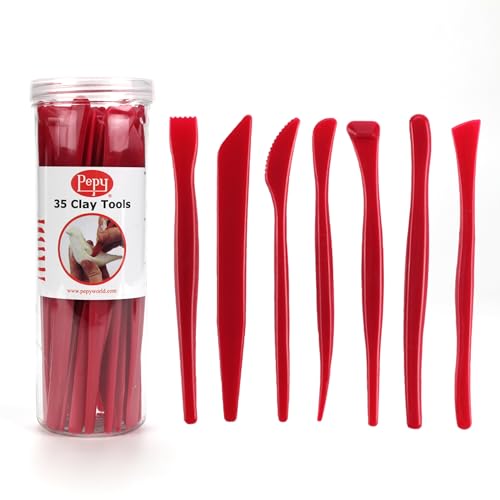
- 35 tools with five each of seven shapes
- Useful for scoring, smoothing, and texturing
- Works with several types of modeling clay
Best For: Group lessons needing multiple shared sculpting tools
Classroom Color Explorer

- 52 individually wrapped colors with tools and accessories
- Storage box supports organized classroom use
- ASTM D-4236 compliant and reusable before baking
Best For: Beginner classroom projects and color-learning activities
Miniature Makers' Palette

- 100 vibrant, blendable colors for broad creative choice
- Soft, non-sticky clay holds fine detail
- Individually wrapped and reusable until baked
Best For: Color mixing, miniatures, and detailed student projects
Organized Project Starter

- 50 colors with tools, accessories, and instructions
- Two-layer storage box keeps supplies organized
- Soft, non-sticky clay follows ASTM D-4236 standards
Best For: Structured beginner crafts and school project stations
Best Starter Set
CiaraQ 50-Color Polymer Clay Kit

- 50 individually wrapped colors with 14 tools
- Reusable clay stays soft until oven-baked
- ASTM D-4236 certified; no wheat, nuts, or peanuts
Best For: Beginner classroom modeling and color-mixing projects
Best Accessory Variety

- 60 colors plus 49 decorative accessories
- Includes 20 tools, a silicone mold, and booklet
- Supports jewelry, keychain, and figure projects
Best For: Accessory-focused craft stations and creative project units
Best Classroom Organization

- 60 colors with a portable double-layer case
- Includes tools, mold, accessories, and instructions
- Reusable clay supports small-group project stations
Best For: Organized classrooms needing broad color variety
Most Complete Kit – Shuttle Art 112-Color Polymer Clay Set
For classrooms seeking polymer clay sets for classrooms with extensive color choice and project variety, this Shuttle Art kit is a well-equipped option. It includes 112 colors, 20 sculpting tools, and 16 accessory types for making ornaments, figures, jewelry, keychains, and other small crafts.
Best For: Older students, teens, and adult-led classroom projects that use both clay and jewelry-making accessories.
Pros:
- Includes 112 colors in 0.7-ounce blocks for broad color selection.
- Combines 20 clay tools with accessories such as beads, hooks, rings, and key rings.
- Non-toxic, non-sticky, and listed as conforming to ASTM D-4236, ASTM F2923-20, and EN71 requirements.
- Supports oven baking and other listed methods for small projects.
Cons:
- Small parts and sharp objects make it unsuitable for children under 12.
- The large accessory assortment may require organized classroom storage.
- Oven baking requires a recommended 266°F setting and adult supervision.
This is the strongest all-in-one choice when a class needs many colors plus project hardware. Its age recommendation and small accessories make it better suited to supervised older-student sessions than early-elementary use.
Best Bulk Color Variety – Tomorotec 100-Piece Polymer Clay Pack
Tomorotec is a practical pick among polymer clay sets for classrooms when color variety and individually wrapped portions matter more than a large tool collection. The pack provides 100 clay pieces in 82 colors, along with five modeling tools and instructions.
Best For: Group activities, color-mixing exercises, and classrooms that want many small portions to distribute among students.
Pros:
- Offers 100 pieces across 82 colors for varied class projects.
- Each small block is individually wrapped, helping keep unused clay fresh.
- Clay is described as non-toxic, environmentally friendly, and ASTM D-4236 compliant.
- Softens with kneading and can be oven baked at the listed temperature and time.
Cons:
- Includes only five modeling tools, so a larger class may need additional supplies.
- Each piece weighs 0.35 ounce, limiting the amount available for larger sculptures.
- The supplied notes do not list additional craft accessories.
This value pack emphasizes distribution and color exploration. It works well when students are making small models or practicing blending, but teachers may need to supplement tools for hands-on group work.
Best for Shared Projects – 60-Color Individually Wrapped Clay Kit
This 60-color kit is a flexible option for polymer clay sets for classrooms, combining individually wrapped clay with tools, decorative accessories, and a silicone mat. The sealed portions can help teachers open only the colors needed for each activity.
Best For: School projects, sensory-play activities, and beginner jewelry or keepsake projects where cleanup and material variety are priorities.
Pros:
- Provides 60 individually wrapped colors to reduce exposure of unused clay.
- Includes 20 sculpting tools, 49 decorative accessories, a silicone mat, and a project manual.
- Clay is described as non-sticky, odorless, non-toxic, and ASTM-certified.
- Supports oven baking for durable charms and other small keepsakes.
Cons:
- The product notes give a broad age suitability of 4+, but the included small accessories still require supervision.
- The 60-color selection is smaller than the 82- and 112-color alternatives in this roundup.
- Projects require access to an oven for the stated durable finish.
With its mat, tools, accessories, and individually wrapped colors, this kit is convenient for varied classroom stations. It offers a particularly useful balance for teachers who want craft flexibility without assembling many separate supplies.
Best Tool Set for Groups – Pepy 35-Piece Clay Sculpting Tools
For classrooms that already have clay and need shared equipment, this Pepy set is a useful companion to polymer clay sets for classrooms. It includes 35 tools—five each of seven shapes—so several students can work with similar tools during a group lesson.
Best For: Group sculpting lessons, texture work, and classrooms using polymer, air-dry, pottery, or non-drying modeling clay.
Pros:
- Provides 35 total tools, with five of each of seven shapes.
- Supports scoring, smoothing, pattern-making, and texture work.
- Works with polymer clay, air-dry clay, pottery clay, and plastilina.
- Sturdy plastic construction is designed for use with firm clays.
Cons:
- This is a tool-only set and does not include polymer clay.
- The seven-shape assortment may not cover every specialized sculpting technique.
- Students still need separate clay, baking supplies, or other project materials.
This set makes the most sense as a classroom supply upgrade rather than a standalone craft kit. Its repeated tool quantities are helpful for group instruction and reduce the need for students to share a single implement.
Classroom Color Explorer – 52-Color Polymer Clay Kit
For classrooms seeking polymer clay sets for classrooms with a broad color range and organized storage, this 52-color kit is a practical choice. It includes individually wrapped clay blocks, sculpting tools, accessories, an instruction manual, and a durable plastic storage box for group art projects and skill-building activities.
Best For: Classroom color-recognition activities, beginner modeling, jewelry projects, and school crafts for ages 4 and up.
Pros:
- Includes 52 colors, tools, accessories, and an instruction manual.
- Individually wrapped blocks help with storage and distribution.
- Non-toxic, eco-friendly material meeting ASTM D-4236 standards.
- Clay can be mixed and reused before oven baking.
Cons:
- The firm, slightly oily texture may require kneading before shaping.
- Oven baking is recommended for best results, which requires classroom supervision.
- Small accessories may need careful handling around younger children.
With its storage box and extensive color selection, this kit supports shared classroom projects while also offering tools for developing dexterity, hand-eye coordination, and creative skills.
Miniature Makers' Palette – CiaraQ 100-Color Clay Kit
For projects that benefit from maximum color variety, this CiaraQ kit is one of the more expansive polymer clay sets for classrooms. It provides 100 individually wrapped colors, a sculpting tool, and an instruction guide, with clay that stays soft until baked and can be blended for custom shades.
Best For: Color-mixing lessons, miniature modeling, sensory play, and school projects for children ages 3 and up.
Pros:
- 100 colors give students extensive options for blending and design.
- Non-sticky clay is easy to shape and holds fine detail.
- Individually wrapped pieces are convenient for grab-and-go activities.
- Made without wheat, nuts, or peanuts and meets ASTM D-4236 standards.
Cons:
- The kit includes one sculpting tool, so a class may need additional tools.
- Oven baking is the recommended hardening method.
- The compact pieces may require organized distribution for larger groups.
This is a strong option when a teacher values color exploration and detailed small projects. Its non-hardening formula also allows unfinished work to be reused before baking.
Organized Project Starter – 50-Color Oven-Bake Clay Kit
This 50-color kit is a straightforward option for buyers comparing polymer clay sets for classrooms. It combines two-layer plastic storage, individually packaged clay, modeling tools, accessories, and an instruction manual, making it suitable for structured school projects and beginner craft sessions.
Best For: Classroom modeling, parent-child activities, holiday crafts, and introductory projects for ages 4 and up.
Pros:
- Includes 50 colors, tools, accessories, and an instruction manual.
- Two-layer plastic storage box helps keep materials together.
- Soft, non-sticky clay is designed to be easy to shape.
- Made without wheat, nuts, or peanuts and follows ASTM D-4236 standards.
Cons:
- The kit has fewer colors than the 100-color alternative.
- Oven baking is recommended, while boiling is not effective.
- Small parts mean it is not suitable for children under 3.
Its balanced assortment and storage-focused packaging make this a sensible classroom starter for teachers who want a manageable supply of colors and basic modeling equipment without an especially large palette.
Best Starter Set – CiaraQ 50-Color Polymer Clay Kit
For classrooms looking for polymer clay sets for classrooms that balance color variety with a manageable supply list, this CiaraQ kit offers 50 individually wrapped colors, reusable clay, tools, and instructions. Each 0.70-ounce block stays soft until baked, making it suitable for guided modeling activities and school projects.
Best For: Elementary or beginner-focused classroom projects involving color mixing, simple figures, ornaments, and sensory-friendly modeling activities.
Pros:
- Includes 50 colors, 14 clay tools, an instruction guide, accessories, and a storage case.
- Clay remains reusable and does not air-dry between class sessions.
- ASTM D-4236 certified and made without wheat, nuts, or peanuts, according to the supplied notes.
- Supports color recognition, hand-eye coordination, and creative skill development.
Cons:
- Projects must be baked in an oven to harden; the clay is not air-dry.
- Boiling is not effective, and baking requires access to appropriate equipment and supervision.
This is a practical entry-level choice when a classroom needs broad color selection and reusable material without an overly complex accessory assortment. Teachers should plan the baking step separately from the modeling activity.
Best Accessory Variety – 60-Color Oven-Bake Clay Kit
This kit stands out among polymer clay sets for classrooms by combining 60 colors with a large accessory assortment. Along with 20-gram clay blocks, it includes sculpting tools, a silicone mold, a project booklet, and components for jewelry, keychains, hair accessories, and other craft projects.
Best For: Classrooms planning accessory-focused activities, mixed-age crafting stations, or projects that let students choose from many decorative components.
Pros:
- Provides 60 colors of clay, 20 sculpting tools, a silicone mold, and 49 decorative accessories.
- Accessories include beads, bells, earring hooks, ring holders, key rings, and mobile phone chains.
- Clay is reusable before baking, easy to shape, and designed not to crack or stick to hands.
- Notes state that the material follows ASTM D-4236 requirements and contains no wheat, nuts, or peanuts.
Cons:
- Small parts create a choking hazard and the kit is not for children under three.
- Finished pieces require oven baking, so classroom workflow must include supervised heat use.
- The supplied notes do not specify a dedicated storage case.
Choose this set when the lesson benefits from more than basic sculpting. Its accessory selection can support creative choice and finished-item projects, but teachers should sort small parts in advance and manage them carefully.
Best Classroom Organization – CiaraQ 60-Color Kit
For teachers who want polymer clay sets for classrooms with generous color coverage and built-in organization, this CiaraQ kit includes 60 colors, a double-layer portable storage box, tools, a silicone mold, accessories, and an instruction manual. The clay stays reusable until it is oven-baked.
Best For: Classrooms that need a broad palette, portable storage, and a mix of individual modeling and small-group project options.
Pros:
- Includes 60 individually sized 0.70-ounce clay blocks in vibrant colors.
- Double-layer storage box helps keep the kit portable and organized.
- Comes with 14 sculpting tools, a silicone mold, accessories, and detailed instructions.
- ASTM D-4236 certified and made without wheat, nuts, or peanuts, according to the supplied notes.
Cons:
- Small accessories are a choking hazard and are not suitable for children under three.
- Clay hardens only with oven baking; it does not air-dry.
- At 0.70 ounces per color, individual blocks may be better suited to small projects than large sculptures.
The organized case gives this kit an advantage for shared classroom use and cleanup. It is a strong fit for lessons that rotate students through color, sculpting, and mold-based activities, provided the teacher handles baking and small-part storage.
How We Picked the Best Polymer Clay Sets for Classrooms
We focused on kits that offer practical value for group activities, including broad color selection, useful quantities, beginner-friendly handling, and accessories that reduce the need for separate purchases. We also considered whether clay is individually wrapped or packaged in bulk, since portioning and storage matter when multiple students share supplies.
Because these kits vary in size and intended audience, the best choice depends on your lesson format. A large color assortment may suit open-ended sculpture work, while a smaller kit with many tools may be better for guided projects. Always confirm the manufacturer’s age guidance, baking instructions, and material claims before classroom use.
Quick Comparison
- Best for maximum color variety: 100-color and 112-color kits provide the broadest palettes for creative choice.
- Best for bulk classroom planning: Large value packs with many individually separated colors can simplify distribution across groups.
- Best for beginner activities: Kits with moderate color counts and basic sculpting tools are easier to introduce during short lessons.
- Best for tool-focused classrooms: A dedicated sculpting tool set can supplement existing clay supplies and support more detailed work.
- Best for organized sharing: Individually wrapped portions help limit waste, keep colors separate, and make cleanup more predictable.
Key Buying Factors for Polymer Clay Sets for Classrooms
Color Range and Quantity
More colors encourage experimentation, but color count does not always indicate how much clay each student receives. Check the amount per color and estimate portions based on class size, project scale, and whether students will work individually or in teams.
Packaging and Storage
Individually wrapped pieces are convenient for distributing materials and preventing colors from mixing before use. Resealable bags or containers are also useful for storing leftovers between lessons. Bulk packaging may offer better value but can require your own portioning system.
Tools and Accessories
Look for kits that include shaping, cutting, rolling, or texturing tools when students do not already have them. Count the accessories realistically: a few shared tools may work for rotating stations, while one tool per student is better for simultaneous instruction.
Oven-Baking Requirements
Most polymer clay must be cured in an oven according to the package directions. Plan for adult supervision, ventilation, temperature control, and a safe process for transporting finished pieces. If baking is not practical, choose a different modeling medium rather than improvising curing instructions.
Classroom Safety and Age Fit
Review product labeling and supervise younger students, especially when kits include small pieces or sharp-edged tools. Students should wash their hands after use, avoid eating while working, and keep clay away from food-preparation surfaces.
Who Should Buy Which Polymer Clay Sets for Classrooms?
Teachers running large, open-ended projects should prioritize high-count value packs with plenty of colors and enough total material to divide among teams. Elementary classrooms and beginners may benefit from kits with straightforward color assortments, individually wrapped portions, and simple tools. Art teachers building a shared supply station can pair a broad color kit with a dedicated multi-piece sculpting tool set. Small groups or occasional craft lessons may be better served by a moderate-size kit that is easier to store and less likely to leave substantial unused clay.
Before buying, match the kit’s total quantity to your enrollment, decide how finished pieces will be baked, and confirm that the included tools and packaging fit your classroom routine. Those details usually matter more than choosing the kit with the highest advertised color count.