Finding the best air dry clay for classrooms means balancing budget, workability, storage, and cleanup. The right choice should give students enough material to create confidently without making teachers manage unnecessary mess or waste.
We selected 10 options ranging from large white classroom packs to colorful kits and lightweight alternatives, so you can match the clay to your students, projects, and available shelf space.
Best 10 Air Dry Clay for Classrooms Picks for 2026
Best Bulk Classroom Pick

- 25-pound classroom-sized supply
- Resealable bag for storage
- Paintable white finish
Best For: Large classes and group projects
Best for Sculpting Variety

- 25-pound bulk package
- Works for hand modeling or pottery wheels
- Paint and shellac can finish pieces
Best For: Technique-focused art classrooms
Best Small-Project Clay

- Smooth and highly malleable
- No oven-baking required
- Good for models and jewelry
Best For: Small groups and teen students
Best Easy-Storage Option
Crayola Terra Cotta Air Dry Clay
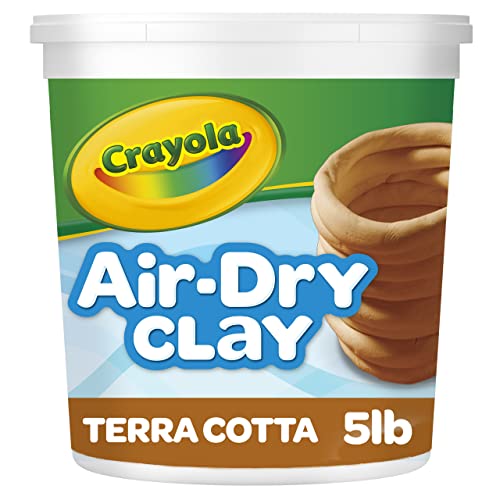
- 5-pound classroom-friendly supply
- Reusable bucket with snap-fit lid
- No baking and water-softenable
Best For: Small to medium craft groups
Durable Studio Clay
AMACO 10-Pound White Air Dry Clay

- 10-pound quantity for group projects
- Works for modeling or potter’s-wheel use
- Paintable and shellac-sealable when dry
Best For: Older students and substantial classroom clay projects
Classroom Variety Pack
VioraWhite 72-Piece Air Dry Clay

- 72 individually packaged portions
- Soft, lightweight, and easy to mold
- Dries naturally in 24–48 hours
Best For: Distributed group crafts and beginner-friendly classroom activities
Elementary Classpack
Crayola Model Magic 75-Count White

- 75 individually portioned one-ounce pouches
- Soft and easy for young students to shape
- Nontoxic, clean-handling air-dry alternative
Best For: Preschool and elementary classroom art activities
Best Color Variety

- 32 colors for mixing and color recognition
- Includes 3 tools and a sealing bag
- Soft, non-sticky clay dries within 24 hours
Best For: Small-group sensory and sculpting activities
Best Individual Portions

- 50 ready-to-distribute 0.35-ounce packets
- Soft, lightweight, and kiln-free
- Can be colored after drying
Best For: Classroom rewards and individual craft projects
Best Bulk Classroom Supply

- Four 5-pound packs for group projects
- Works with coil, slab, pinch, and score techniques
- Resealable buckets support storage and cleanup
Best For: Art rooms and large classroom activities
Best Bulk Classroom Pick – Crayola White Air Dry Clay
For classrooms needing a substantial supply, this 25-pound Crayola option is practical air dry clay for classrooms. The fine white earth clay can be molded with traditional techniques, softened with water, and left to dry without baking.
Best For: Kindergarten, preschool, elementary classrooms, art rooms, and large group projects.
Pros:
- Generous 25-pound quantity for group projects
- White clay can be painted with project or acrylic paints
- Resealable plastic bag supports storage between activities
- Water can be added to soften the clay
Cons:
- The 25-pound package may be more than small groups need
- Finished pieces require air-drying time
This is a strong choice when classroom volume and easy storage matter more than portability. Its white color also gives students a versatile surface for painting after drying.
Best for Sculpting Variety – AMACO White Air Dry Clay
AMACO’s 25-pound white clay suits classrooms that want flexibility in how students work. It can be sculpted, hand modeled, or used on a pottery wheel, then dried slowly and evenly before painting and sealing.
Best For: Art classrooms teaching multiple clay techniques, including hand modeling and wheel work.
Pros:
- Large 25-pound quantity for shared classroom use
- Suitable for sculpting, hand modeling, or a pottery wheel
- Finished pieces can be painted and sealed with shellac
Cons:
- Color may vary with use or drying
- Pieces should be dried slowly and evenly on all sides
Choose this option when technique variety is a priority. Its bulk format is classroom-friendly, while the drying and finishing guidance makes it better suited to supervised art activities.
Best Small-Project Clay – DAS White Air Hardening Clay
DAS offers a manageable 2.2-pound package for smaller classes, individual projects, or activities where students need a smooth, pliable material. This air dry clay for classrooms hardens without oven-baking and can be molded into models, figures, decorations, or jewelry.
Best For: Small-group projects, older students, and detailed modeling activities.
Pros:
- Smooth, even texture for molding and sculpting
- Air-hardens without an oven
- Suitable for models, figures, decorations, and jewelry
- 2.2-pound package is easier to manage than bulk classroom bags
Cons:
- Smaller quantity may not cover a large class
- Listed age range is teen and above
This is a practical pick for focused projects rather than high-volume classroom use. Its pliability and broad project range make it especially useful for structured modeling lessons.
Best Easy-Storage Option – Crayola Terra Cotta Air Dry Clay
This 5-pound Crayola bucket is a convenient choice for air dry clay for classrooms that need a moderate supply and simple storage. The terra cotta clay is easy to mold, needs no baking, and can be softened with water for different activities.
Best For: Small to medium groups making sculptures, ornaments, and other crafts.
Pros:
- 5-pound quantity supports multiple projects
- Reusable bucket with a snap-fit lid helps with storage
- Terra cotta color provides a natural, earthy look
- Crayola lists it as non-toxic and suitable for ages 3 and up
Cons:
- Terra cotta is less neutral than white clay for painting
- Five pounds may be insufficient for a large class
The reusable bucket is the standout feature for classrooms that value cleanup and organization. It offers a useful middle ground between small individual packs and 25-pound bulk supplies.
Durable Studio Clay – AMACO 10-Pound White Air Dry Clay
For classrooms needing a substantial supply of traditional modeling material, AMACO 4630-2B is a practical air dry clay for classrooms option. Its 10-pound quantity supports sculpting, hand modeling, and even throwing on a potter’s wheel. Finished pieces should dry slowly and evenly on all sides, then can be painted or sealed with shellac.
Best For: Older students and classroom projects that need a large quantity of versatile white modeling clay.
Pros:
- Includes 10 pounds of white clay for larger or group projects.
- Suitable for sculpting, hand modeling, and potter’s-wheel work.
- Can be painted after drying and shellacked for added strength and moisture resistance.
Cons:
- Listed for ages 13+, so it may not suit younger classrooms.
- Requires slow, even drying on all sides for finished pieces.
This is the strongest choice here for substantial, more traditional clay work, especially when students need flexibility beyond simple hand-shaped crafts. Plan for drying time and consider shellac if projects need additional protection.
Classroom Variety Pack – VioraWhite 72-Piece Air Dry Clay
VioraWhite offers 72 individually packaged pieces, making it a convenient air dry clay for classrooms choice for shared activities, art parties, and family projects. The ultra-soft, lightweight clay is designed to mold easily without sticking to hands and dries naturally without an oven. Allow at least 24 to 48 hours before painting.
Best For: Group activities where individually packaged portions and easy handling are more useful than a single bulk block.
Pros:
- Includes 72 individually packaged pieces for distributing across a class.
- Soft, lightweight texture is easy for beginners and small hands to mold.
- Air dries without an oven and can be used for school projects, crafts, or props.
- Made with child-friendly, nontoxic materials according to the supplied notes.
Cons:
- The total quantity is 38 ounces, or about 2.38 pounds, which is less than a large clay block.
- Projects need at least 24 to 48 hours of drying before painting.
The individual portions make this set especially classroom-friendly for minimizing sharing and simplifying distribution. It is a good fit for quick, accessible modeling sessions, provided the class can wait for pieces to dry before decorating.
Elementary Classpack – Crayola Model Magic 75-Count White
Crayola Model Magic is a convenient air dry clay for classrooms alternative for preschool, kindergarten, and elementary art rooms. The classpack contains 75 one-ounce pouches, giving teachers easy-to-distribute portions for tactile projects, group work, or classroom prize boxes. It is soft, easy to shape, nontoxic, and air dries without baking or firing.
Best For: Younger students, fine-motor practice, and classroom projects that benefit from clean, pre-portioned packs.
Pros:
- Includes 75 one-ounce pouches for classroom distribution.
- Soft texture is easy to shape for simple or detailed designs.
- Air dries without baking or firing and is described as nontoxic and safe.
- Supports tactile art activities and fine-motor skill development.
Cons:
- Each pouch contains only one ounce, limiting the size of individual projects.
- It is a clay alternative rather than traditional clay, which may not suit pottery-style activities.
For elementary classrooms, the combination of small portions, soft handling, and no-firing cleanup makes Model Magic particularly easy to manage. Choose it when accessibility and distribution matter more than producing large or wheel-thrown forms.
Best Color Variety – 32-Color Modeling Clay Kit
For classrooms looking for colorful, low-mess projects, the MuseLuxe kit is a versatile option for air dry clay for classrooms. It includes 32 colors, three sculpting tools, and an extra sealing bag, giving students plenty of materials for small modeling activities.
Best For: Color recognition, sensory play, and individual or small-group sculpting projects.
Pros:
- Includes 32 colors for mixing and creative projects.
- Comes with three sculpting tools and an extra sealed storage bag.
- Non-toxic, odorless, non-sticky, and designed to dry naturally within 24 hours.
- Soft, lightweight clay supports fine-motor and hand-eye coordination activities.
Cons:
- The 11.84-ounce total weight may be better suited to small projects than large classroom sculptures.
- The clay is supplied in assorted colors rather than a large quantity of one base color.
This kit is a practical pick when variety and easy shaping matter more than bulk volume. The resealable bag also helps preserve unused clay for future activities.
Best Individual Portions – 50-Pack White Foam Clay
The 50-pack White Air Dry Foam Clay is convenient for distributing individual portions during classroom activities. Each 0.35-ounce packet is ready for a student to use, making this air dry clay for classrooms useful for short projects, rewards, and group craft sessions.
Best For: Individual student portions, classroom rewards, and simple character, animal, jewelry, or decoration projects.
Pros:
- Provides 50 individually packaged portions.
- Soft, lightweight foam clay is easy to pinch and shape.
- Requires no oven or kiln and dries naturally in 24 to 48 hours.
- White clay can be colored after drying or mixed with small amounts of colored clay.
Cons:
- Each packet contains only 0.35 ounces, limiting the size of individual projects.
- The package contains white clay only, so additional colors may be needed for multicolor work.
Choose this pack when simple distribution and classroom quantity are priorities. The small packets help reduce portioning work, while the white finish leaves room for coloring and customization.
Best Bulk Classroom Supply – Crayola 5lb Air Dry Clay
For shared supplies and larger group projects, Crayola’s bulk clay provides substantial material for art rooms and elementary classrooms. This air dry clay for classrooms comes as four 5-pound packs in resealable buckets, supporting traditional sculpting techniques and repeat use.
Best For: Kindergarten, preschool, elementary art rooms, and large group clay projects.
Pros:
- Offers four 5-pound packs for a total of 20 pounds of clay.
- Supports coil, slab, pinch, and score-and-weld techniques.
- Water can be added to soften the clay during use.
- Resealable buckets help with storage and cleanup, and finished pieces can be painted.
Cons:
- The clay is natural white, so colors or paint are needed for multicolor projects.
- Unused clay must be stored in an airtight container to remain fresh.
- Large bulk containers may be more material than needed for very small classes.
This is the strongest option for teachers who need classroom-scale volume and a clay body suitable for traditional techniques. Its resealable packaging and paintable surface also make it practical for multi-step projects.
How We Picked the Best Air Dry Clay for Classrooms
We focused on practical classroom needs: quantity per package, age suitability, color selection, handling, drying convenience, and overall flexibility for group projects. Large 10- to 25-pound packages can be economical for shared projects, while individually portioned packs may reduce setup and distribution time. We also included lightweight foam-clay and Model Magic-style alternatives for activities where low mess, easy shaping, or portability matters more than traditional clay feel.
Because classroom projects vary, no single product is ideal for every grade or lesson. Check the package instructions for drying times, storage requirements, and recommended ages before purchasing.
Quick Comparison
| Best For | Look For | Typical Advantage |
|---|---|---|
| Large group projects | 10- to 25-pound tubs | Lower cost per student |
| Small groups and stations | Smaller tubs or portioned packs | Easier distribution and storage |
| Color-focused activities | Multicolor kits | Less painting after drying |
| Younger students | Soft, lightweight modeling material | Simple shaping and reduced strain |
| Limited cleanup time | Low-mess foam or individually packed clay | Fewer crumbs and shared-tool issues |
Key Buying Factors for Air Dry Clay for Classrooms
Quantity and Classroom Value
Estimate the amount needed per student and add extra for demonstrations, failed pieces, and repairs. Bulk white clay is often the best value when students will paint finished sculptures, while smaller packages are better when storage or trial lessons are the priority.
Texture and Workability
Choose clay that is soft enough for the youngest students but firm enough to hold details. Consider whether students will build coils, pinch pots, ornaments, figures, or flat reliefs. A smoother formula may suit detail work, while a more forgiving material works well for introductory sculpture.
Color, Drying, and Finishing
White or natural clay offers maximum painting flexibility. Multicolor kits can shorten lessons by removing the painting step, but they may provide less material per color. Allow adequate drying time and use trays or protected surfaces to prevent sticking and table damage.
Storage and Safety
Resealable packaging, buckets, and individual portions can help prevent the material from drying before use. Review age guidance and supervise younger children, especially when projects involve small tools or pieces.
Who Should Buy Which Air Dry Clay for Classrooms?
Teachers running frequent whole-class sculpture lessons should prioritize the 25-pound Crayola or AMACO options for generous shared supply. A 10-pound AMACO package is a sensible middle ground for smaller classes or rotating art centers. Choose the 5-pound Crayola tubs when you want manageable storage or need separate colors or project batches.
For color-led lessons, VioraWhite and MuseLuxe kits provide variety without requiring every project to be painted. Model Magic-style portions are useful for quick activities, take-home projects, or younger learners who benefit from premeasured pieces. Lightweight foam clay is a practical choice for decorations, crafts, and situations where easy handling matters more than the dense feel of traditional air-dry clay.