The right palette can make detailed painting cleaner, faster, and more consistent. A compact mixing surface helps you separate colors, control small amounts of paint, and keep your workspace manageable.
This roundup compares 10 artist palettes for detailed work, from porcelain watercolor trays and miniature-painting palettes to traditional wood and acrylic options. Use the guide below to match palette size, material, wells, and cleanup needs to your painting style.
Best 10 Artist Palettes for Detailed Work Picks for 2026
Compact Ceramic Control

- Seven separated wells
- Smooth white ceramic surface
- Compact 5.7-inch design
Best For: Small painting and craft projects using multiple colors
Portable Detail Setup

- Two compact ceramic palettes
- Recessed wells and dividers
- Integrated brush-rest grooves
Best For: Travel sketching, journaling, and small detailed projects
Extended Acrylic Control

- Lidded stay-wet design
- Wet and dry trays
- Includes sponges, paper, and brush holder
Best For: Acrylic miniature painting and longer sessions
Large Color Organization

- Seventeen wells in varied shapes
- Large central mixing area
- Smooth white porcelain surface
Best For: Organized watercolor, gouache, and ink mixing
Best Clear Two-Palette Set
Transparent Acrylic Mixing Palettes

- Includes rectangular and oval palettes
- Clear, smooth acrylic surface
- Portable and reusable
Best For: Artists who want two lightweight palettes for acrylic, gouache, and craft projects
Best Compact Ceramic Option
Plum Blossom Watercolor Palette

- Ceramic surface for watercolor and gouache
- Multiple wells organize colors
- Lid supports storage and travel
Best For: Artists needing a small, easy-clean palette for organized color mixing
Best Large Traditional Set
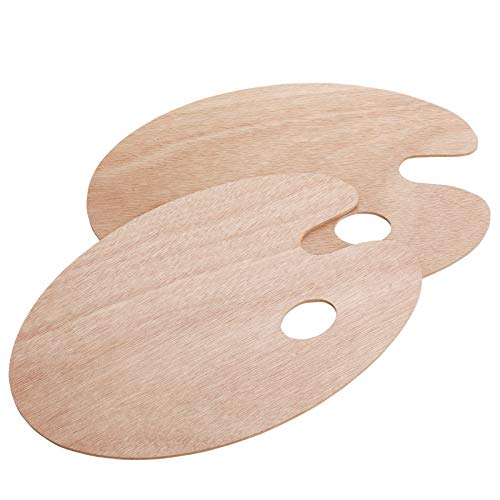
- Two large 14-by-10-inch palettes
- Large thumb hole for either hand
- Classic oval wooden design
Best For: Painters who prefer generous, hand-held mixing space
Best Ceramic Mixing Tray
MEEDEN 8-Well Ceramic Artist Paint Palette

- Seven wells plus a center mixing area
- Compact hand-holdable porcelain design
- Rim brush slots and washable surface
Best For: Organized watercolor, gouache, acrylic, and tempera mixing
Best Traditional Handheld Palette

- Right- and left-hand thumb-holder design
- Lightweight, portable wooden construction
- Smooth surface for reusable painting sessions
Best For: Portable acrylic painting, classes, crafts, and outdoor use
Best Compact Multi-Well Palette
MEEDEN 9-Well Ceramic Rectangle Palette

- Nine wells for separated color organization
- Smooth white ceramic mixing surface
- Compact design supports multiple paint types
Best For: Controlled watercolor, gouache, acrylic, oil, and tempera mixing
Compact Ceramic Control – 7-Well Square Palette
For artist palettes for detailed work, this compact ceramic tray offers seven separated wells in a hand-friendly 5.7-inch square format. Its smooth white surface helps colors remain easy to see while mixing watercolor, gouache, acrylic, oil, or tempera.
Best For: Artists who want a durable, multipurpose palette for small studio projects, craft work, or painting sessions using several colors.
Pros:
- Seven wells accommodate separate colors or mixtures.
- Smooth white ceramic surface makes mixing and color viewing straightforward.
- Compact size is convenient to hold and store.
- Hand-wash or dishwasher-safe care offers flexibility.
Cons:
- The seven-well layout provides less mixing space than larger palettes.
- Ceramic construction is heavier and less travel-friendly than lightweight plastic.
This is a practical choice when you value easy cleanup and a sturdy surface in a compact design. Its versatility makes it useful beyond detailed painting, including organizing, beading, and craft projects.
Portable Detail Setup – Mini Ceramic Palette Set
These mini ceramic palettes suit artist palettes for detailed work where small pigment amounts and an organized workspace matter. The two warm beige palettes provide recessed wells, raised dividers, and brush-rest grooves for watercolor, gouache, acrylic, or ink.
Best For: Journalers, traveling artists, students, and anyone who needs compact mixing surfaces for small paintings or detailed artwork.
Pros:
- Two palettes let you separate color groups or keep a spare surface ready.
- Recessed wells and raised dividers help keep small amounts of media organized.
- Built-in grooves provide convenient brush rests between strokes.
- Small footprint fits portable kits and compact art tables.
Cons:
- The mini dimensions limit the amount of paint and mixing space available.
- The warm beige speckled finish may show colors differently than a bright white palette.
Choose this set when portability and workspace organization are more important than capacity. Prompt rinsing and wiping after use is recommended for water-based media.
Extended Acrylic Control – Stay Wet Miniature Palette
For artist palettes for detailed work with acrylics and miniatures, this covered system is designed to slow paint drying and preserve leftovers. It combines a wet palette with a dry tray, deep wells, water wells, palette paper, sponges, and a brush holder.
Best For: Miniature painters and acrylic artists who need paint to remain workable during longer sessions or want to save unused paint for later.
Pros:
- Lidded wet-palette design helps keep paint wet between uses.
- Includes four grey sponges and 100 double-sided silicone-coated palette sheets.
- Middle tray has 16 deep sloping wells and two corner water wells.
- Brush rest holder and elastic band support a more organized setup.
Cons:
- The included components make it bulkier and heavier than a simple open palette.
- Wet-palette performance requires managing the sponges and water.
This is the most feature-rich option here for controlled acrylic work, particularly miniature painting. Its wet-and-dry configuration gives you flexibility, though it demands more setup and maintenance than a basic ceramic tray.
Large Color Organization – 17-Well Porcelain Tray
This 17-well porcelain tray is a strong option among artist palettes for detailed work when you need many color spaces plus a dedicated mixing area. Its 8 round wells, 8 rectangular wells, and large square center support watercolor, gouache, and ink mixing.
Best For: Studio artists, teachers, students, and painters who need extensive color separation and a generous central mixing area.
Pros:
- Seventeen total wells provide extensive color organization.
- Large square mixing area accommodates broader blends.
- White porcelain surface makes colors easy to view and wipes clean.
- Sturdy, reusable ceramic construction suits studio or travel use.
Cons:
- At about two pounds, it is heavier than compact palette options.
- The supplied care guidance recommends hand-washing rather than dishwasher use.
- The larger 9-by-6.5-inch format needs more workspace.
Select this palette when capacity and separation matter more than minimal weight. The varied well shapes and central mixing area make it especially useful for organized watercolor, gouache, and ink sessions.
Best Clear Two-Palette Set – Transparent Acrylic Mixing Palettes
For artists comparing artist palettes for detailed work, this two-pack offers both rectangular and oval surfaces for mixing acrylic, gouache, and other pigments. The transparent acrylic makes color mixing visible while the smooth surface is designed for repeated use and hand washing.
Best For: Artists, students, and crafters who want portable palettes with two shapes for studio or outdoor painting.
Pros:
- Includes one rectangular and one oval palette.
- Clear acrylic helps keep mixed colors visible.
- Portable 11.8-inch size fits in a backpack, purse, or tote.
- Smooth surface and edges are easy to clean and reuse.
Cons:
- Hand-wash only; harsh chemicals and high heat should be avoided.
- Protective film must be removed from both sides before use.
This is a flexible value option when you want a clear, lightweight palette set and appreciate having two different shapes available for different painting sessions.
Best Compact Ceramic Option – Plum Blossom Watercolor Palette
For artist palettes for detailed work that prioritize organized color mixing, this compact ceramic palette provides multiple wells in a 5.3-inch format. Its polished, non-porous surface suits watercolor and gouache, while the included lid supports storage and transport.
Best For: Watercolor and gouache painters who need a compact, lidded palette for travel, craft projects, or home use.
Pros:
- Ceramic construction provides a sturdy mixing surface.
- Multiple wells help separate and organize colors.
- Included lid protects paints and makes transport easier.
- Non-porous surface wipes clean with a damp cloth.
Cons:
- At 5.3 inches square, it offers less working area than a full-size palette.
- Ceramic construction weighs 12.32 ounces, so it may be less lightweight for travel.
This palette is a practical choice for controlled, small-scale mixing when wells and a protective lid matter more than maximum surface area.
Best Large Traditional Set – Wooden Oval Artist Palettes
Mr. Pen- Wooden Paint Palette, 2 Pack, Artist Palette, Painting Palette | Oil Paint Palette
Check Price On AmazonArtists seeking artist palettes for detailed work may prefer the familiar handling of this two-pack of wooden oval palettes. Each 14-by-10-inch palette has a large thumb hole and an ambidextrous design, providing substantial room for painting sessions.
Best For: Painters who want large, traditional wood palettes for holding and mixing paint by hand.
Pros:
- Two 14-by-10-inch palettes provide generous working space.
- Large thumb hole supports left- or right-handed use.
- Oval shape offers a familiar traditional palette layout.
- Two-pack provides a spare or a second palette for another work area.
Cons:
- Unfinished wood requires wiping with a damp cloth and should not be soaked.
- The large format may be less convenient to carry than a compact palette.
This set suits artists who value broad mixing space and classic hand-held ergonomics, provided they are comfortable with the care requirements of unfinished wood.
Best Ceramic Mixing Tray – MEEDEN 8-Well Ceramic Artist Paint Palette
For artists comparing artist palettes for detailed work, this compact porcelain tray offers separated wells for organizing colors and a central area for mixing. Its smooth white surface is designed to make pigments easy to see and clean with water.
Best For: Watercolor, gouache, acrylic, and tempera painters who want a hand-holdable ceramic palette with multiple wells.
Pros:
- Seven side wells plus a center mixing area support organized color work.
- White porcelain can help show pigment hues clearly.
- Compact 7 x 5.2-inch size works for handheld or stationary painting.
- Rim brush slots provide a convenient place to rest brushes.
Cons:
- Hand-wash care is recommended, and high heat should be avoided.
- The small format may provide less mixing space than a full-size palette.
This is a practical choice when separated color wells and portability matter more than a large open mixing surface. The ceramic construction and washable finish also suit artists who want a reusable palette for controlled, detailed projects.
Best Traditional Handheld Palette – Tamaki Wooden Paint Palette
For artist palettes for detailed work that need to travel, this traditional wooden tray provides a broad surface in a lightweight, portable format. Its smooth finish and thumb-holder design are suited to painting sessions at home, in class, or outdoors.
Best For: Acrylic painters, students, teachers, and hobbyists who prefer a reusable handheld wooden palette.
Pros:
- Traditional thumb-holder shape is designed for right- or left-hand use.
- Smooth wood surface and edges provide a comfortable grip.
- Lightweight design is easy to carry in a backpack, purse, or tote.
- Suitable for classes, crafts, home projects, and outdoor painting.
Cons:
- Care instructions call for wiping clean with a dry cloth rather than washing.
- Its single open tray does not offer built-in wells for separating colors.
The Tamaki is a straightforward option for painters who want traditional handling and plenty of open space for arranging paint. Choose it if portability and a familiar palette shape are priorities, but consider a well-based tray for more compartmentalized mixing.
Best Compact Multi-Well Palette – MEEDEN 9-Well Ceramic Rectangle Palette
When artist palettes for detailed work need several color compartments in a slim format, this nine-well ceramic tray is easy to organize and carry. Its smooth white surface supports mixing across watercolor, gouache, acrylic, oil, and tempera projects.
Best For: Artists and crafters who need multiple wells for small, controlled color mixes across several paint types.
Pros:
- Nine wells help separate colors and organize detailed work.
- White ceramic surface is smooth for mixing and easy to clean.
- Compact 6.8 x 3.33-inch shape fits comfortably in the hand.
- Supports watercolor, gouache, acrylic, oil, and tempera painting.
Cons:
- The narrow rectangular format limits open mixing space.
- Ceramic is heavier and less travel-friendly than a lightweight plastic tray.
This palette stands out for artists who value compartmentalized color placement in a compact ceramic design. Its nine wells are useful for detailed, controlled work, while the smooth finish simplifies cleanup after a session.
How We Picked These Artist Palettes for Detailed Work
We focused on palettes that support controlled color mixing rather than simply offering the largest surface. The selection includes compact ceramic and porcelain trays, multi-well designs, thumb-hole palettes, wooden palettes, and a stay-wet option for acrylic work. We considered the number and shape of wells, mixing space, portability, ease of cleaning, material durability, and suitability for watercolor, gouache, acrylic, oil, craft painting, and miniatures.
Because detailed work varies widely, no single palette is ideal for every artist. A small porcelain tray may suit a watercolor painter who needs clean color separation, while a stay-wet palette can be more practical for miniature painters using acrylics.
Quick Comparison
| Palette type | Best suited to | Main advantage |
|---|---|---|
| Porcelain or ceramic wells | Watercolor, gouache, mixed media | Easy cleanup and controlled color separation |
| Stay-wet palette | Acrylic and miniature painting | Helps paints remain workable longer |
| Wood palette | Acrylic, oil, and traditional painting | Large open mixing area and familiar handling |
| Acrylic palette | Crafts and general painting | Lightweight, spacious, and easy to carry |
Key Buying Factors for Artist Palettes for Detailed Work
Material and Cleanup
Porcelain and glazed ceramic are excellent for detailed work because smooth surfaces resist staining and allow paint to be wiped or rinsed away easily. Wood provides a comfortable, traditional feel but may require more care, especially with acrylic or oil residue. Plastic and acrylic palettes are lightweight and convenient, though some surfaces can stain over time.
Wells and Mixing Space
Choose individual wells when you want to keep colors separated and reduce accidental contamination. Several small wells work well for controlled watercolor or gouache studies. An open mixing area is more useful when you need to blend gradients, adjust acrylic values, or mix larger quantities.
Size, Shape, and Portability
Compact palettes are easier to hold and carry, but they may limit mixing space. Larger trays suit studio work and projects requiring multiple colors. A thumb hole or brush rests can improve control, while a rectangular or square shape may pack more efficiently than a wide artist palette.
Paint Compatibility
Check that the palette matches your medium. Watercolor and gouache generally work well on glazed ceramic or porcelain. Acrylic painters may benefit from a stay-wet design, while oil painters should prioritize a stable, nonporous surface or a palette specifically suited to solvent-based cleanup.
Who Should Buy Which Artist Palettes for Detailed Work?
Choose a small porcelain or ceramic palette if you paint detailed watercolor illustrations, cards, studies, or craft projects and want quick cleanup. Select a multi-well ceramic tray when you regularly use several colors and need clear separation between mixtures.
Miniature painters and acrylic users should consider the stay-wet palette, particularly when working slowly or in a dry environment. Choose a wooden palette for a spacious, traditional mixing surface, especially for studio painting. An acrylic thumb-hole palette is a practical middle ground for artists who want a lightweight, generous surface for general-purpose painting.