Choosing the best colored pencils for realistic portraits means balancing pigment, blendability, color range, and control. The right set can make it easier to layer subtle skin tones, define features, and create convincing highlights and shadows.
This roundup includes portrait-focused pencil sets alongside practical instruction books, giving beginners and experienced artists options for improving both their materials and technique.
Best 10 Colored Pencils for Realistic Portraits Picks for 2026
Best Skin-Tone Range
LBW 72 Skin Tone Colored Pencils

- 72 shades across Rose, Almond, and Golden undertones
- Soft oil-based cores blend and layer smoothly
- Non-toxic, acid-free, and break-resistant
Best For: Artists needing extensive complexion coverage for portraits
Best Technique Guide

- Step-by-step lessons with photos and directions
- Covers blending, shading, light, and color theory
- Includes brand-matched color swatches and supply advice
Best For: Artists learning structured colored-pencil techniques
Best Refill-Friendly Option

- 12 soft, highly pigmented skin-tone pencils
- 4mm wax cores support blending and longevity
- Open-stock replacements are available
Best For: Artists wanting a compact dark-skin-tone palette
Best Ready-Made Portrait Palette
Castle Art 24-Pencil Portrait Set

- 24 curated colors chosen for portraiture
- 3.3mm cores sharpen finely and blend smoothly
- Portable tin and step-by-step tutorial included
Best For: Beginners and artists wanting a compact portrait set
Portrait Skin-Tone Starter Set
24 Soft-Core Skin Tone Pencils

- 24-color skin-tone palette
- Soft, saturated leads for blending
- Compact reusable storage tin
Best For: Portrait and figure artists building realistic skin tones
Portrait Technique Guide
Colored Pencil Painting Portraits

- 192-page portrait instruction guide
- Step-by-step layering demonstrations
- Covers light, texture, expression, and skin tones
Best For: Artists developing lifelike colored-pencil portrait techniques
Compact Faber-Castell Option
Black Edition Skin Tone Pencils

- 12 pigment-packed skin-tone shades
- Soft, break-resistant leads
- Ergonomic triangular barrel
Best For: Beginners and artists wanting a compact portrait palette
Classic Portrait Guide
Colored Pencil Portraits Step by Step

- Covers composition, light, skin tones, and facial details
- Includes hair, fabric, and professional portrait advice
- 128-page dedicated colored-pencil portrait guide
Best For: Artists wanting a structured portrait reference
Skin-Tone Pencil Set
MARTCOLOR 24 Colors Skin Tone Colored Pencils

- Includes 24 skin and hair tone shades
- Supports layering, shading, blending, and detailing
- Smooth, non-toxic, break-resistant cores
Best For: Portrait artists prioritizing skin and hair tones
Advanced Technique Guide
Realistic Portraits in Colored Pencil
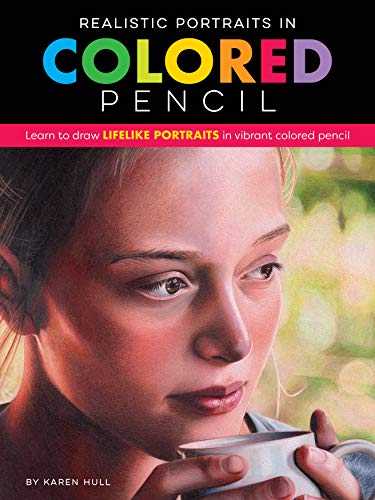
- Teaches hatching, blending, layering, and burnishing
- Explores realistic hair, skin, clothing, and facial textures
- 144 pages of instructions, tips, and portrait guidance
Best For: Artists developing advanced realistic portrait techniques
Best Skin-Tone Range – LBW 72 Skin Tone Colored Pencils
LBW 72 Skin Tone Colored Pencils Set Easy to Blend for Realistic Portraits | oil based soft core
Check Price On AmazonFor artists seeking colored pencils for realistic portraits, this 72-piece LBW set offers a broad selection of skin-tone shades organized across Rose, Almond, and Golden undertones. Its oil-based, soft core is designed for blending, layering, and shading.
Best For: Artists who want extensive skin-tone coverage for portrait drawing, especially beginners through experienced users.
Pros:
- 72 shades cover light through deep skin tones across three undertone families.
- Soft, break-resistant cores glide smoothly and support layered shading.
- Blendable, non-toxic, acid-free pencils conform to ASTM D-4236 and EN71-3.
- Pre-sharpened and suitable for drawing, sketching, and adult coloring.
Cons:
- The large skin-tone-focused range may be less useful for subjects requiring many non-skin colors.
- The manufacturer advises avoiding an overly sharp tip during use.
Choose this set when matching subtle complexion variations is the priority. The generous shade count and soft oil-based core make it a particularly versatile option for portraits centered on realistic skin rendering.
Best Technique Guide – The Colored Pencil Manual
The Colored Pencil Manual: Step-by-Step Instructions and Techniques (Dover Art Instruction)
Check Price On AmazonColored pencils for realistic portraits are easier to use when you understand blending, tonal values, light, and color theory. This manual provides step-by-step demonstrations, photos, color swatches, and project guidance for developing those skills.
Best For: Beginners and experienced artists who want structured instruction for improving colored-pencil portrait techniques.
Pros:
- Covers shading, blending, color theory, light, composition, and tonal values.
- Includes step-by-step demonstrations with full-color photos and directions.
- Explains how to draw textures, fabric, solid objects, and three-dimensional forms.
- Color swatches connect techniques with different pencil brands and paper choices.
Cons:
- This is an instructional book, not a colored-pencil set.
- Its broad coverage may be more extensive than needed for artists seeking only portrait-specific exercises.
This is a useful companion for building the practical skills behind realistic portrait work. It is especially valuable if you need guidance on how to layer colors, control light, and create convincing textures with the pencils you already own.
Best Refill-Friendly Option – Black Widow Skin Tone Pencils
For colored pencils for realistic portraits in a compact format, this 12-pencil Black Widow skin-tone set focuses on soft, highly pigmented colors for blending, layering, and shading. Open-stock availability also makes it easier to replace individual favorites.
Best For: Portrait artists who prefer a smaller dark-skin-tone set and want the option to replenish individual pencils.
Pros:
- Soft 4mm wax cores are designed for smooth coloring and longer use.
- Highly pigmented colors support blending, layering, and shading.
- Open-stock pencils are available for replacing favorites without rebuying a full set.
- Hexagonal bodies offer a comfortable grip and help prevent rolling.
Cons:
- The set contains 12 pencils, so its range is narrower than larger portrait palettes.
- Although water soluble, the pencils are not intended to be used as watercolors.
This set makes sense for artists who want focused skin-tone colors rather than a broad general-purpose collection. Its replaceable open-stock format is a practical advantage for portraitists who use particular shades frequently.
Best Ready-Made Portrait Palette – Castle Art 24-Pencil Portrait Set
This 24-pencil Castle Art palette is a convenient starting point for colored pencils for realistic portraits. The hand-picked portrait colors use rich, velvety cores that are intended to blend and layer for skin tones, detailed features, and expressive studies.
Best For: Portrait beginners and traveling artists who want a curated, portable set with a tutorial included.
Pros:
- 24 hand-picked colors are selected specifically for portrait work.
- Highly pigmented 3.3mm cores sharpen to a fine point for detailed features.
- Colors blend and layer to build skin tones, depth, and character.
- Compact presentation tin is portable, and a step-by-step portrait tutorial is included.
Cons:
- Its 24-color palette offers less shade variety than larger skin-tone sets.
- The pencils are not water resistant.
Pick this set if you prefer a focused palette over sorting through dozens of colors. It balances portrait-specific selection, detail-friendly cores, portability, and beginner-oriented guidance in one package.
Portrait Skin-Tone Starter Set – 24 Soft-Core Skin Tone Pencils
Skin Tone Colored Pencils (24 soft core, high pigment pencils for skin tones and faces)
Check Price On AmazonFor artists seeking colored pencils for realistic portraits, this 24-pencil set focuses on a wide spectrum of skin-tone shades. Its soft-core leads are designed for saturated color, smooth shading, blending, layering, and facial detail work.
Best For: Portrait and figure artists who want a dedicated, portable skin-tone palette.
Pros:
- Includes 24 artist-quality skin-tone colors.
- Soft cores provide saturated color and smooth blending.
- Useful for shading, layering, and detailed portrait work.
- Compact reusable tin keeps the pencils organized.
Cons:
- Specialized skin-tone selection may be less versatile for non-portrait subjects.
- The set does not include a broader general-purpose color range.
This is a focused choice for portrait studies, especially when you prefer having many related skin shades in one compact set. The soft cores support expressive blending, while the dedicated palette reduces the need to mix every base tone from scratch.
Portrait Technique Guide – Colored Pencil Painting Portraits
Artists comparing colored pencils for realistic portraits may find this 192-page guide more useful than another pencil set. Alyona Nickelsen covers color, texture, shadow, light, layering techniques, facial features, gesture, expression, and working from photographs or live models.
Best For: Learners who want structured instruction for creating lifelike colored-pencil portraits.
Pros:
- Provides step-by-step demonstrations for portrait techniques.
- Explains how color, texture, shadow, and light interact with the human form.
- Covers planning, composition, posing, and lighting.
- Addresses people of different ages and skin tones.
Cons:
- This is an instructional book, not a colored-pencil set.
- Its comprehensive subject matter may be more than beginners seeking a quick reference need.
Choose this guide if your main challenge is technique rather than having more supplies. Its emphasis on layering, reference images, facial features, and lighting makes it a practical companion for developing more realistic portrait results with the pencils you already own.
Compact Faber-Castell Option – Black Edition Skin Tone Pencils
For a smaller palette of colored pencils for realistic portraits, Faber-Castell’s Black Edition set provides 12 pigment-packed skin-tone shades. The soft, break-resistant leads are intended for smooth laydown, blending, layering, and hatching on light, colored, or dark paper.
Best For: Beginners, students, and portrait artists who want a compact skin-tone set with an ergonomic design.
Pros:
- Includes 12 coordinated skin-tone colors.
- Soft cores offer smooth color application and strong pigment.
- Break-resistant leads are glued along the pencil length for point retention.
- Triangular ergonomic barrels support a comfortable grip.
Cons:
- With 12 colors, it offers less tonal variety than a larger skin-tone set.
- The pencils come in a cardboard box rather than a reusable tin.
- It is a specialized palette rather than a complete general-color collection.
This set suits artists who value portability and a manageable selection of portrait shades. Its ergonomic triangular shape and break-resistant construction add practical appeal, while the limited color count keeps the palette simple for beginners and focused studies.
Classic Portrait Guide – Colored Pencil Portraits Step by Step
For artists seeking colored pencils for realistic portraits, this 128-page guide covers the foundational decisions behind a finished portrait, including composition, lighting, skin tones, facial features, hair, and fabric. It also includes advice on creating portraits professionally.
Best For: Artists who want a structured, step-by-step portrait reference with broad coverage of planning, rendering, and professional presentation.
Pros:
- Covers composition, light, skin tones, features, hair, and fabric.
- Includes advice on creating portraits professionally.
- Offers a focused 128-page format dedicated to colored-pencil portraiture.
Cons:
- Published in 1999, so some guidance may feel dated.
- The supplied details do not specify the exact colored-pencil techniques or project count.
This is a useful all-around reference for building portrait fundamentals, especially if you prefer a dedicated book rather than a specialized pencil set.
Skin-Tone Pencil Set – MARTCOLOR 24 Colors Skin Tone Colored Pencils
For artists shopping for colored pencils for realistic portraits, this 24-color MARTCOLOR set focuses on skin and hair tones. The oil-based pencils are described as pigmented, smooth, layerable, and suitable for shading, blending, sketching, and detailing.
Best For: Beginners and portrait artists who want a compact, skin-tone-focused set for drawing, layering, and blending.
Pros:
- Includes 24 popular skin and hair tone shades.
- Designed for layering, shading, blending, and detailed portrait work.
- Non-toxic pencils have smooth, break-resistant cores and are easy to sharpen and erase.
Cons:
- Its specialized palette may be less versatile than a larger full-spectrum set.
- The supplied notes do not provide lightfastness or color-index information.
This set makes sense when flesh and hair tones are your priority, though artists needing a wider range of background and clothing colors may need additional pencils.
Advanced Technique Guide – Realistic Portraits in Colored Pencil
Artists comparing resources for colored pencils for realistic portraits will find a comprehensive 144-page guide focused on lifelike results. It covers hatching, crosshatching, shading, blending, layering, burnishing, and the rendering of textures such as hair, skin, clothing, and facial features.
Best For: Colored-pencil artists ready to strengthen technique and work toward more polished, realistic portraits.
Pros:
- Explains multiple core techniques, including layering, blending, and burnishing.
- Covers realistic textures across hair, skin, clothing, and facial features.
- Includes clear instructions, artist tips, and guidance for polished results.
Cons:
- It is a technique-focused book rather than a colored-pencil set.
- The supplied details do not specify the number of projects or included physical materials.
With its emphasis on lifelike texture and advanced pencil handling, this is the strongest choice here for artists who already have supplies and want a deeper instructional resource.
How We Picked the Best Colored Pencils for Realistic Portraits
We focused on products that support the core demands of portrait work: smooth layering, consistent pigment, controllable edges, and colors that can be mixed into believable skin tones. We also considered whether each set is designed specifically for portraits, includes useful tonal variety, or provides instruction for developing realistic rendering skills.
Because artists work differently, this selection includes soft-core and oil-based pencils, compact skin-tone palettes, broader colored-pencil sets, and books that explain blending, shading, proportions, and facial detail.
Quick Comparison
| Best For | What to Look For |
|---|---|
| Beginners | Manageable color counts, smooth cores, and clear step-by-step instruction |
| Skin-tone studies | Dedicated flesh, peach, ochre, brown, pink, and shadow shades |
| Detailed realism | Layerable pigment, sharpenable cores, and enough tonal range for subtle transitions |
| Portable drawing | Compact sets with essential portrait colors |
| Technique development | Books covering proportions, blending, depth, highlights, and facial structure |
Key Buying Factors for Colored Pencils for Realistic Portraits
Core Softness and Blendability
Soft cores generally lay down color smoothly and make it easier to build gradual transitions across cheeks, foreheads, and shaded features. However, very soft pencils may wear down quickly and can be less precise for eyelashes, hair, and fine outlines. A balanced set should let you blend without sacrificing control.
Pigment and Layering
Realistic portraits rarely rely on one flat color. Look for pencils that layer cleanly so you can combine warm and cool tones, deepen shadows, and adjust saturation gradually. Strong pigment is useful, but controllability matters more than intensity alone.
Color Selection
A dedicated skin-tone palette can be convenient, especially for beginners, but portraits also benefit from muted reds, violets, blues, creams, browns, and neutral grays. These supporting colors help create lively undertones and more natural shadows instead of an overly orange or uniform complexion.
Sharpening and Point Control
Fine facial details require a sharp, durable point. Consider how well the core holds an edge and whether your sharpener is compatible with the pencil’s barrel. A softer pencil may be excellent for broad blending but less suitable for tiny details.
Paper Compatibility
Colored pencils perform differently on smooth and textured paper. Smooth surfaces are useful for detailed portraits and polished blending, while lightly textured paper accepts more layers. Choose pencils and paper together rather than judging a set in isolation.
Who Should Buy Which Colored Pencils for Realistic Portraits?
Beginners: Choose a smaller, portrait-focused set or pair a skin-tone palette with an instructional book. This keeps the initial color choices manageable while teaching layering and facial proportions.
Artists focused on realistic skin: Prioritize a dedicated skin-tone selection with multiple warm, cool, light, and deep shades. This is often more useful than a large general-purpose set with limited complexion colors.
Experienced portrait artists: Look for smooth, highly layerable pencils and a broader supporting palette. Additional colors outside the usual flesh range can help create reflected light, cool shadows, flushed areas, and nuanced undertones.
Self-taught artists: A technique-focused portrait guide can be as valuable as new supplies. Select one that demonstrates construction, value mapping, blending, and the gradual development of lifelike detail.
Before buying, consider your preferred drawing style, paper, budget, and whether you need more colors or better instruction. The best Colored Pencils for Realistic Portraits are the ones that give you enough tonal control to work patiently and build the image in layers.