Choosing the best fusible interfacing for appliqué can make the difference between crisp, secure designs and edges that lift after washing. The options below include lightweight webs, medium-weight bonding materials, paper-backed sheets, and economical rolls for projects of different sizes.
Use this roundup to compare format, coverage, weight, and handling before you buy. Whether you are preparing a few small motifs or building a large quilt design, the right fusible web should match both your fabric and your application method.
Best 10 Fusible Interfacing for Applique Picks for 2026
Best Sew-and-Bond Option

- 17-inch x 5.25-yard roll
- Lightweight, permanent adhesive
- Sew through bonded fabric layers
Best For: Applique projects needing a lightweight bond plus stitching
Best Pre-Cut Medium-Weight Sheets

- 20 paper-backed 8 x 12-inch sheets
- Medium-weight double-sided web
- Suitable for fabric and porous surfaces
Best For: Pre-cut applique, repairs, and craft projects
Best Lightweight Sheet Pack

- 10 paper-backed 8 x 10.5-inch sheets
- Lightweight applique-focused adhesive
- Hand- and machine-sewable
Best For: Small applique projects and sewing work
Best Bulk Roll for Applique

- 12-inch x 10-yard continuous roll
- Lightweight paper-backed web
- Machine-washable fabric bond
Best For: Frequent applique and larger fabric projects
Best Lightweight Roll

- 11-inch by 10-yard roll
- Supports applique and patchwork
- Compatible with embroidery and batting supplies
Best For: Lightweight layered sewing and quilting projects
Best Medium-Weight Paper-Backed Web
PLANTIONAL Fusible Bonding Web

- Paper-backed for easier handling
- Double-sided medium-weight adhesive
- Bonds fabric to fabric or porous surfaces
Best For: Medium-weight applique and mixed craft projects
Best Sheer Option
Misswendyfuse Ultra-Fine Fusible Web
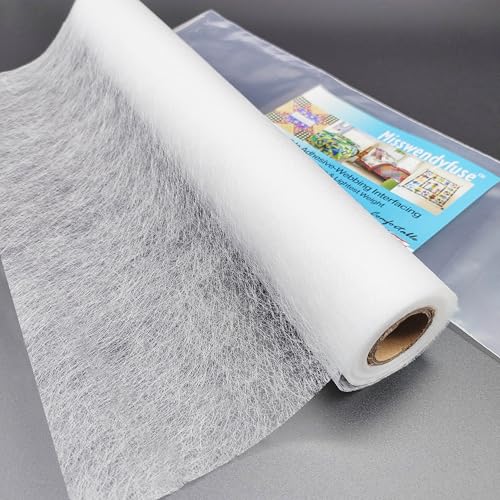
- Ultra-fine and lightweight
- Designed to preserve softness and drape
- Suitable for delicate fabrics and knits
Best For: Delicate applique and lightweight, flexible fabrics
Best Paper-Backed Sheets

- 21 pre-cut sheets sized 8.3 x 12 inches
- Lightweight, double-sided, and paper-backed
- Designed for washable fabric applique bonds
Best For: Pre-cut applique and fabric craft projects
Best for Large Projects
- Continuous 11.8-inch by 10-yard roll
- Double-sided adhesive for fabric bonding
- Works with fabric, wood, and cardboard
Best For: Large applique layouts and repeated crafting
Best Weight Flexibility
Stitch Witchery Fusible Sheets

- Available in light, medium, and heavy weights
- 20 pre-cut 8 x 12-inch sheets
- Iron-activated for applique and hemming
Best For: Mixed-fabric projects needing different bond strengths
Best Sew-and-Bond Option – HeatnBond Lite Value Pack
For sewable fusible interfacing for applique, HeatnBond Lite offers a practical roll format and a lightweight, double-sided adhesive. It bonds fabric permanently without adding extra weight or stiffness, while letting you stitch through the adhered layers.
Best For: Applique and fabric projects where you want adhesive support before stitching without pinning or basting.
Pros:
- 17-inch-wide, 5.25-yard value-pack roll
- Lightweight bond avoids extra stiffness
- Permanent, heat-activated, double-sided adhesive
- Designed for stitching without gumming needles
Cons:
- Requires stitching for projects that need sewn reinforcement
- Roll format may be less convenient than pre-cut sheets
Choose this option if you want generous yardage and a sewable bond that can replace much of the pinning or basting step in applique work.
Best Pre-Cut Medium-Weight Sheets – Stitch Witchery Applique Web
This medium-weight fusible interfacing for applique comes as 20 paper-backed sheets, making it convenient for smaller fabric designs and craft projects. The double-sided web creates a firm bond while keeping the fused piece soft and malleable.
Best For: Crafters who prefer ready-to-use sheets for applique, repairs, hemming, and bonding fabric to porous surfaces.
Pros:
- Includes 20 sheets measuring 8 x 12 inches
- Medium-weight, double-sided fusible web
- Can bond fabric to fabric, wood, or cardboard
- Designed to remain sheer and avoid adding bulk
Cons:
- Medium weight may not suit projects specifically calling for ultralight web
- Pre-cut sheets provide less continuous coverage than a roll
Its sheet format and broad material compatibility make it a versatile pick when you want measured pieces for applique and general fabric crafts.
Best Lightweight Sheet Pack – FlexiFuse Applique Web
FlexiFuse is a lightweight fusible interfacing for applique supplied in 10 paper-backed sheets. Its double-sided adhesive supports smooth hand or machine stitching, with the product notes highlighting no needle gumming during sewing.
Best For: Quilters, sewers, and crafters who want compact, lightweight sheets for applique designs.
Pros:
- Includes 10 sheets measuring 8 x 10.5 inches
- Lightweight web designed specifically for applique
- Supports both hand and machine sewing
- Paper backing helps with handling and placement
Cons:
- Smaller sheet size offers less coverage per piece
- Provides fewer sheets than some listed alternatives
This is a straightforward choice for lightweight applique work, especially when pre-cut sheets and sewable adhesive are more useful than a large continuous roll.
Best Bulk Roll for Applique – Transparia Fusible Web
For larger projects, Transparia provides 10 yards of lightweight, paper-backed fusible interfacing for applique in a 12-inch width. It is designed to fuse fabric to fabric while preserving a soft feel, and the supplied notes describe the finished bond as machine washable.
Best For: Frequent applique, fabric arts, and DIY projects that benefit from continuous roll coverage and a lightweight finish.
Pros:
- Generous 12-inch x 10-yard roll
- Lightweight, double-sided adhesive designed for applique
- Paper backing supports a two-stage ironing process
- Bond is described as machine washable and durable
Cons:
- Roll format requires measuring and cutting
- May be more material than needed for occasional small projects
Transparia stands out when you need substantial yardage for repeated applique work and want a lightweight web that remains soft after bonding.
Best Lightweight Roll – HBI Fusible Bonding Web
For shoppers comparing fusible interfacing for applique, the HBI Fusible Bonding Web offers a lightweight roll format for bonding fabric layers without emphasizing bulk. Its 11-inch width and 10-yard length suit applique, patchwork, hemming, and other multi-layer sewing projects.
Best For: Applique, quilting, patchwork, hemming, and layered sewing projects that need lightweight support.
Pros:
- Wide 11-inch by 10-yard roll provides useful project coverage.
- Designed to support applique and fabric bonding with clean, secure results.
- Works alongside embroidery stabilizers, fusible fleece, and fusible batting.
Cons:
- The notes do not specify a paper backing or detailed fusing instructions.
- Its lightweight construction may be less suitable when substantial structure is needed.
Choose this roll when you want a versatile, lightweight bonding material that can fit into both applique and broader quilting or embroidery workflows.
Best Medium-Weight Paper-Backed Web – PLANTIONAL Fusible Bonding Web
The PLANTIONAL Fusible Bonding Web is a practical option for fusible interfacing for applique when you want medium-weight, double-sided adhesive support. Its paper backing is designed to help with handling, while the web can bond fabric to fabric or porous surfaces such as wood and cardboard.
Best For: Medium-weight applique, fabric crafts, hemming, and projects involving fabric, wood, or cardboard.
Pros:
- Paper-backed design can make tracing, cutting, and positioning more manageable.
- Double-sided thermoplastic adhesive creates a bond while preserving a soft, malleable feel.
- 11.8-inch by 10-yard size offers generous coverage for craft projects.
Cons:
- It is not water resistant.
- Medium weight may add more support than delicate applique fabrics require.
- The product is listed as a sheet-format adhesive rather than a traditional sew-in interfacing.
This is a strong fit for crafters who value paper-backed handling and want one fusible web for both fabric applique and porous-surface craft applications.
Best Sheer Option – Misswendyfuse Ultra-Fine Fusible Web
For delicate designs, the Misswendyfuse Ultra-Fine Fusible Web is a compelling choice in fusible interfacing for applique. Its sheer, lightweight web is intended to create a stay-soft bond without adding bulk, helping lightweight fabrics retain their drape and appearance when used as directed.
Best For: Delicate applique, lightweight fabrics, knits, trims, embellishments, quilting, and fine fabric crafts.
Pros:
- Ultra-fine, double-sided web is designed to minimize stiffness and bulk.
- Sheer construction is intended to remain unobtrusive through lightweight fabrics.
- Works with fabrics ranging from cotton and velvet to tulle and organza, plus paper, craft foam, and leather.
Cons:
- The 5-yard roll is shorter than the 10-yard options in this roundup.
- Fine webbing may require careful application to avoid residue or uneven bonding.
- It is designed for lightweight support, not heavy structural reinforcement.
Select this option when preserving softness, stretch, and fabric movement matters more than adding substantial body to an applique project.
Best Paper-Backed Sheets – Transparia Fusible Web
For shoppers seeking fusible interfacing for applique, Transparia offers pre-cut, paper-backed sheets sized slightly larger than A4. The lightweight double-sided web is designed to bond fabric to fabric while keeping the finished piece soft and flexible.
Best For: Applique, fabric crafts, hemming repairs, and projects where convenient pre-cut sheets are preferred.
Pros:
- Includes 21 pre-cut 8.3 x 12-inch sheets and a user manual.
- Paper backing supports a straightforward iron-on, peel, and rebond process.
- Creates a washable bond without adding significant bulk.
- Works with most fabrics and requires no sewing for the initial attachment.
Cons:
- The lightweight format may be less suitable when a very firm bond is needed.
- It is supplied as sheets rather than a continuous roll.
Choose this option when you want neatly sized pieces for applique and small-to-medium fabric projects. Its washable, sheer construction is useful for maintaining a flexible finish.
Best for Large Projects – Light Weight Fusible Web Roll
If you need fusible interfacing for applique across many projects, this 11.8-inch by 10-yard roll provides continuous material instead of individual sheets. Its double-sided thermoplastic adhesive is intended for fabric-to-fabric bonding and can also adhere fabric to porous surfaces such as wood or cardboard.
Best For: Larger applique layouts, repeated craft work, hemming, and projects requiring a continuous length of fusible web.
Pros:
- 10-yard roll offers substantial coverage for larger or recurring projects.
- 11.8-inch width accommodates broad fabric areas.
- Designed to preserve fabric’s natural hand without making it stiff.
- Suitable for fabric, wood, and cardboard bonding.
Cons:
- The roll format must be measured and cut to size.
- It is listed as not water resistant.
- The supplied details describe it as lightweight, so it may not suit heavy-duty reinforcement.
This roll is a practical pick when sheet-by-sheet preparation would be inefficient. Its broad format and multi-surface compatibility add flexibility for applique and general craft use.
Best Weight Flexibility – Stitch Witchery Fusible Sheets
For fusible interfacing for applique with more choice over adhesive strength, these Stitch Witchery sheets are available in light, medium, and heavy weights. The pre-cut 8 x 12-inch format is activated with a household iron and can also be used for hems, seam reinforcement, and home decor projects.
Best For: Crafters who want to match fusible weight to different fabric types and keep ready-to-use sheets on hand.
Pros:
- Offers light, medium, and heavy weight options for different materials.
- Includes 20 convenient 8 x 12-inch pre-cut sheets.
- Heat activation is simple and suitable for varied skill levels.
- Useful for applique, hemming, repairs, and reinforcing seams.
Cons:
- The supplied listing identifies this variant as single-sided, unlike the double-sided products above.
- It is listed as not water resistant.
- Pre-cut sheets may be less convenient than a roll for very large designs.
This is the most adaptable choice of the group if your projects span delicate fabrics and heavier materials. Selecting the appropriate weight can help balance softness and bond strength for each applique.
How We Picked the Best Fusible Interfacing for Applique
We organized these 10 options around the factors that matter most in real appliqué work: adhesive format, material width, total coverage, weight, paper backing, and intended project scale. Sheet products are convenient for templates and small motifs, while rolls generally offer better flexibility for large quilts, repeated shapes, and ongoing craft work.
Because bonding results depend on fabric type, iron temperature, pressure, and washing, always follow the product’s instructions and test a small scrap first. A product described as lightweight may be preferable for soft fabrics, while medium-weight web can provide more body when a design needs added stability.
Quick Comparison
| Format | Best suited to | Main advantage |
|---|---|---|
| Pre-cut sheets | Small appliqué pieces and templates | Easy measuring, tracing, and storage |
| Short rolls | Occasional quilting and craft projects | More continuous coverage than sheets |
| Long, wide rolls | Large or repeated appliqué designs | Fewer seams and better material efficiency |
| Lightweight web | Garments, quilting cotton, and layered fabric | Flexible finish with less added bulk |
| Medium-weight web | Structured motifs and heavier fabrics | More support and body |
Key Buying Factors for Fusible Interfacing for Appliqué
Weight and Fabric Compatibility
Lightweight fusible web is usually the safest starting point for cotton appliqué, quilting, clothing, and projects that need to remain flexible. Medium-weight options can help larger pieces hold their shape, but may feel stiff on thin fabric. Match the web to the lightest or most delicate layer in your project, and test for show-through or unwanted stiffness.
Sheets Versus Rolls
Sheets are practical when you want predictable sizes, quick tracing, and minimal cutting. Rolls are more economical for large motifs, borders, and repeated designs, but require more measuring and careful storage. Check the listed width as well as the length: a wider roll can reduce joins and waste on broad appliqué pieces.
Paper Backing and Tracing
Paper-backed web generally makes it easier to draw, cut, position, and peel. It is especially useful for beginners and detailed shapes. Before ironing, confirm which side contains adhesive and keep the paper in place until the design is ready to transfer.
Bond Strength and Care
Look for clear application directions covering heat, time, pressure, and whether steam is recommended. A secure bond still benefits from appropriate stitching around exposed edges, particularly on frequently washed garments, bags, or quilts.
Who Should Buy Which Fusible Interfacing for Applique?
- Choose pre-cut sheets if you are making small motifs, trying appliqué for the first time, or value simple tracing and storage.
- Choose a lightweight roll for quilts, clothing, and flexible fabric projects where you need continuous material without adding much bulk.
- Choose medium-weight web when larger appliqué shapes need extra stability or a more structured finish.
- Choose a wide or long roll if you make repeated designs, work on large quilts, or want to reduce waste and repurchasing.
- Choose paper-backed web when accurate placement and clean template handling are more important than the absolute lowest cost.
For the best result, prioritize compatibility with your fabric and preferred workflow over package size alone. A small test bond can confirm adhesion, flexibility, appearance, and wash performance before you commit valuable fabric to the full design.