The right interfacing can determine whether a handmade bag looks soft and flexible or polished and structured. These 10 options cover everyday totes, purses, organizers, and heavier bags in a range of weights, widths, and materials.
Use the comparison and buying advice below to match your fabric, desired shape, and sewing method with the most suitable fusible interfacing for bags.
Best 10 Fusible Interfacing for Bags Picks for 2026
Best Overall
PLANTIONAL Medium-Weight Interfacing

- 11.6 inches wide and 30 yards long
- Iron-on polyester non-woven support
- Washable and suitable for repeated projects
Best For: General bag-making and craft projects needing medium-weight structure
Best Lightweight Pick
Pellon PLF36 Fusible Interfacing

- Thin polyester construction preserves drape
- Two 15-inch by 3-yard packs
- Suitable for light and medium-weight fabrics
Best For: Lightweight bags requiring subtle reinforcement
Best for Cushioning

- Soft loft adds cushioning and structure
- 16.5-inch by 10-yard medium-weight option
- Iron-on and machine washable
Best For: Padded tote bags and projects needing cushioned support
Best for Delicate Fabrics
Lightweight Fusible Interfacing
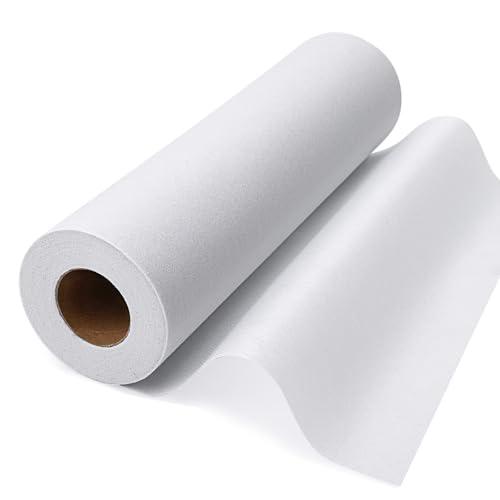
- 11.6 inches wide and 30 yards long
- Adds support without unnecessary bulk
- Includes instructions and is washable
Best For: Delicate or lightweight bags needing low-bulk stabilization
Best for Bulk Projects
Medium-Weight Non-Woven Interfacing

- 16.5-inch by 30-yard roll
- Soft, sturdy polyester support
- Single-sided iron-on adhesive
Best For: Multiple bags and larger craft projects
Best for Structured Bag Panels
Heavy-Weight Woven Cotton Interfacing

- Heavy-weight 100% cotton
- Woven foundation adds stability
- 10.6-inch by 10-yard roll
Best For: Structured bags and sturdy fabric projects
Best Versatile Midweight

- 11.6-inch by 30-yard roll
- Medium support without unnecessary bulk
- Includes illustrated instructions
Best For: Versatile bag, quilting, and sewing projects
Natural Cotton Support
Heavyweight Woven Cotton Interfacing

- Heavyweight woven cotton adds bag structure
- Iron-on application is straightforward
- 44 inches by 2 yards for varied projects
Best For: Structured bags and durable cotton-backed sewing projects
Bulk Project Value
Lightweight Polyester Interfacing Roll

- 30-yard roll suits repeated bag projects
- Adds stability without much bulk
- Useful for purses, wallets, and pockets
Best For: Lightweight bags and high-volume sewing
Firm Reinforcement
100g Heavyweight Non-Woven Interfacing

- 100g material delivers firm bag support
- 30.6-yard roll supports repeated projects
- Trim-to-fit backing suits bags and wallets
Best For: Firmly structured bags and medium-weight fabrics
Best Overall – PLANTIONAL Medium-Weight Interfacing
For shoppers comparing fusible interfacing for bags, PLANTIONAL offers a practical balance of structure, coverage, and easy iron-on application. Its polyester, non-woven construction is designed to support fabrics without requiring a complicated installation process.
Best For: Bag makers who need a durable medium-weight stabilizer for multiple projects.
Pros:
- Generous 11.6-inch by 30-yard roll supports numerous projects.
- Heat-activated adhesive bonds with a household iron.
- Washable design helps projects retain structure and adhesive strength.
- Suitable for crafts, clothing, and home décor.
Cons:
- The medium-weight material may provide more structure than delicate projects require.
- Its 11.6-inch width may require piecing for wider bag panels.
Choose this option when you want a substantial roll of general-purpose interfacing for repeated bag-making and craft projects.
Best Lightweight Pick – Pellon PLF36 Fusible Interfacing
Pellon PLF36 is a useful choice when shopping for fusible interfacing for bags made from light or medium-weight fabrics. The thin, lightweight polyester construction adds support while helping preserve the fabric’s original feel and drape.
Best For: Lightweight bags and projects where subtle reinforcement is preferred.
Pros:
- Thin, lightweight material is designed to be barely noticeable.
- Works with light and medium-weight fabrics, including delicate materials.
- Two 15-inch by 3-yard packs provide convenient project coverage.
- Can be machine washed, tumble dried on low, or dry cleaned.
Cons:
- The lightweight construction may not provide enough body for heavily structured bags.
- The total length is less than the 30-yard rolls in some alternatives.
This two-pack is a sensible fit for smaller or lightweight bag projects that need reinforcement without significant added bulk.
Best for Cushioning – Heavy-Weight Fusible Fleece
For fusible interfacing for bags that need added body and softness, this fusible fleece provides cushioned support rather than a purely flat stabilizing layer. Its iron-on backing is convenient for tote bags, quilts, and other projects where loft is useful.
Best For: Padded or structured tote bags that benefit from soft cushioning.
Pros:
- Soft fleece adds loft, cushioning, and structure.
- Single-sided adhesive applies with a household iron.
- The medium-weight option is 16.5 inches wide and 10 yards long.
- Machine-washable construction is designed for lasting use.
Cons:
- Fleece adds more bulk than lightweight woven or non-woven interfacing.
- Its cushioned feel may not suit slim, unpadded bag designs.
- The listing describes medium- and light-weight options, so the selected option should be checked carefully.
Select this fleece when comfort, loft, and cushioning matter as much as basic fabric stabilization.
Best for Delicate Fabrics – Lightweight Fusible Interfacing
This lightweight option is worth considering when choosing fusible interfacing for bags made with fabrics that should retain their drape. It is designed to add stability without unnecessary bulk and includes printed instructions for trimming and iron-on application.
Best For: Lightweight or delicate-fabric bags and sewing projects requiring low-bulk support.
Pros:
- 11.6-inch by 30-yard roll offers extensive project coverage.
- Lightweight construction helps maintain soft-fabric drape.
- Single-sided adhesive bonds quickly with an iron.
- Designed to withstand multiple washes without flaking or bubbling.
Cons:
- Lightweight support may be insufficient for rigid or heavily structured bags.
- The 11.6-inch width may require joining pieces for wider sections.
This is a strong match for sewists who want a long roll of low-bulk interfacing for delicate materials, patchwork, and lightly supported bags.
Best for Bulk Projects – Medium-Weight Non-Woven Interfacing
If you need fusible interfacing for bags or other repeated sewing projects, this medium-weight polyester option offers a practical balance of structure and flexibility. Its 16.5-inch width and 30-yard length provide substantial material for multiple projects, while the single-sided adhesive is designed for straightforward iron-on application.
Best For: Crafters making multiple bags, garments, quilts, or home-decor items who want a long roll of medium-weight support.
Pros:
- Generous 16.5-inch by 30-yard size suits large or repeated projects.
- Medium-weight polyester adds body while remaining soft and smooth.
- Heat-activated adhesive supports quick iron-on application.
- Designed to retain structure through washing and regular use.
Cons:
- Non-woven construction may be less suitable when a bag project specifically calls for woven reinforcement.
- The long roll may be more material than needed for a single small project.
This is a strong value-oriented pick when quantity matters. It is especially useful for makers who want one medium-weight interfacing roll for bags and a range of additional craft projects.
Best for Structured Bag Panels – Heavy-Weight Woven Cotton Interfacing
For fusible interfacing for bags that need a firmer foundation, this heavy-weight woven cotton option is designed to add stability and shape. The 10.6-inch by 10-yard roll offers enough material for multiple projects, and its single-sided adhesive applies with an iron.
Best For: Bag makers working with sturdier fabrics or projects where a heavy-weight woven cotton foundation is preferred.
Pros:
- Heavy-weight woven cotton provides a stable base for structured projects.
- Single-sided fusible adhesive allows easy iron-on application.
- Machine-washable after application, according to the supplied product notes.
- 10.6-inch by 10-yard size supports multiple smaller or medium projects.
Cons:
- The heavy weight may add more structure than is wanted for soft or drapey bags.
- The 10.6-inch width offers less coverage per pass than wider rolls.
Choose this option when firmness and woven cotton construction are more important than maximum roll length. It is a sensible match for bags that benefit from added body and stability.
Best Versatile Midweight – 30-Yard Iron-On Interfacing
This medium-weight fusible interfacing is a flexible choice for bags and general sewing. The 11.6-inch by 30-yard roll can be trimmed to different pattern sizes, while the white, single-sided adhesive is intended to bond quickly with an iron without adding unnecessary bulk.
Best For: Makers who want a long, adaptable roll for bags, quilting, patchwork, garments, and home-decor projects.
Pros:
- 30-yard length supports many projects and repeated bag making.
- Medium weight adds structure while helping avoid excessive bulk.
- Notes indicate compatibility with materials from delicate silk to heavy denim.
- Included instructions feature pictures and text for easier application.
Cons:
- At 11.6 inches wide, it may require more joining or careful layout on wide bag pieces.
- White interfacing is best suited to light-colored fabrics where it will not show through.
This is a practical all-purpose selection for sewists who want versatility and a substantial supply. Its medium weight makes it a balanced option when a bag needs support without a notably bulky feel.
Natural Cotton Support – Heavyweight Woven Cotton Interfacing
For bags that need a firmer foundation, this heavyweight woven cotton interfacing offers a durable iron-on backing. Its 44-inch width and 2-yard length provide useful coverage for bag panels and other sewing projects, while the cotton construction adds support without relying on a non-woven base.
Best For: Structured bag projects, canvas-style fabrics, and makers who prefer cotton interfacing.
Pros:
- Heavyweight woven cotton helps reinforce fabric and add structure.
- Heat-activated adhesive makes application straightforward with an iron.
- 44 inches wide by 2 yards long for small or larger projects.
- Designed to retain its integrity through washing.
Cons:
- Its heavyweight construction may be more support than lightweight bags require.
- The 2-yard length may be limiting for repeated or large-scale production.
This is a practical choice when bag structure and wash durability matter more than minimizing material weight. Choose it for projects where a woven cotton feel and substantial support are welcome.
Bulk Project Value – Lightweight Polyester Interfacing Roll
If you need fusible interfacing for bags across multiple projects, this lightweight polyester roll offers 30 yards of material. The single-sided adhesive adds stability without much bulk, making it useful for handbags, purses, pockets, wallets, and other fabric components that need reinforcement.
Best For: High-volume sewing, lightweight handbags, purses, wallets, and projects requiring flexible reinforcement.
Pros:
- 17-inch by 30-yard roll provides substantial material for medium to large projects.
- Lightweight polyester supports fabric without adding noticeable bulk.
- Washable construction is suitable for washable sewing projects.
- Broad compatibility includes handbags, purses, pockets, wallets, and quilting.
Cons:
- Lightweight support may not provide enough stiffness for very structured bags.
- The white color may be less suitable for dark or sheer outer fabrics.
With its generous roll size and low-bulk construction, this interfacing is especially appealing for frequent bag making or production-style sewing. Consider a heavier option when maximum firmness is the priority.
Firm Reinforcement – 100g Heavyweight Non-Woven Interfacing
This 100g heavyweight non-woven interfacing is designed for makers seeking firm reinforcement in bags and accessories. The 11.8-inch by 30.6-yard package offers extensive coverage, while the single-sided adhesive can be fused to the wrong side of fabric to strengthen panels, pockets, wallets, and other components.
Best For: Handbags, purses, wallets, card holders, and medium-weight fabrics needing stronger support.
Pros:
- 100g heavyweight material provides substantial firmness and structure.
- Long 30.6-yard roll is useful for medium to large projects.
- Can be trimmed to fit different patterns and component sizes.
- High-adhesion single-sided backing is intended to protect and strengthen stitching.
Cons:
- The 11.8-inch width may require more piecing on wide bag panels.
- Recommended for light- to medium-weight fabrics, so fabric compatibility matters.
- Requires a pressing cloth or Teflon cover rather than direct ironing.
This option combines firm support with a large roll, making it well suited to makers who reinforce many bags or smaller accessories. Follow the supplied pressing guidance—140-degree temperature, 15 seconds, no steam, and a protective cover—for the intended application.
How We Picked the Best Fusible Interfacing for Bags
We focused on the factors that matter most in bag construction: interfacing weight, fiber type, fusibility, available yardage, width, and likely end use. The selection includes nonwoven polyester options for economical, consistent support; woven cotton choices for a more fabric-like hand; and fusible fleece for cushioning and body.
Because bags vary widely, no single product is ideal for every project. Lightweight interfacing can stabilize cotton without making it stiff, while medium and heavy options are better suited to totes, purses, and structured panels. We also considered package size so both occasional sewists and frequent makers can find a practical fit.
Quick Comparison
| Best for | Look for | Typical choice |
|---|---|---|
| Lightweight bags and quilting cotton | Lightweight, single-sided fusible | Lightweight nonwoven interfacing |
| Everyday totes and organizers | Medium support and generous yardage | Medium-weight nonwoven interfacing |
| Structured handbags | Heavy support or woven construction | Heavy woven cotton or heavy nonwoven interfacing |
| Padded or protective projects | Loft and cushioning | Fusible fleece |
Key Buying Factors for Fusible Interfacing for Bags
Weight and Finished Shape
Choose the lightest weight that gives the fabric enough body. Lightweight products preserve drape, medium weights add dependable structure, and heavy products create a firmer silhouette. Very stiff interfacing may be unsuitable for curved seams or thin fabrics.
Woven Versus Nonwoven
Woven interfacing generally behaves more like fabric and can provide stable support with less paper-like stiffness. Nonwoven interfacing is often easier to cut, economical, and consistent across large projects. Match the grain and stretch characteristics of the interfacing to the outer fabric when the pattern requires it.
Fusible Side and Application
Confirm whether the product is single-sided or double-sided and follow its pressing instructions. Use a pressing cloth, apply heat and pressure for the recommended time, and allow the bonded layers to cool before moving them. Test on a fabric scrap first to check adhesion and avoid shine or distortion.
Width, Yardage, and Project Cost
Measure the largest pattern pieces before buying. Wider rolls can reduce piecing, while 2- or 3-yard packs may be more economical for one bag. Large rolls make sense for batch sewing, classes, or multiple matching accessories.
Who Should Buy Which Fusible Interfacing for Bags?
- Choose lightweight nonwoven interfacing for soft totes, small accessories, quilting cotton, and projects where flexibility matters.
- Choose medium-weight interfacing for general-purpose bags, organizers, and fabrics that need noticeable but not rigid support.
- Choose heavy woven cotton interfacing for structured handbags, firm tote bases, and sewists who prefer a fabric-like feel.
- Choose heavy nonwoven interfacing when maximum body and economical coverage are higher priorities than drape.
- Choose fusible fleece for padded bags, cases, and projects needing softness, insulation, or light impact protection.
Before committing to a full bag, fuse a test piece and sew a sample seam. This quick check reveals whether the finished fabric has the right stiffness, whether layers remain manageable, and whether the adhesive bonds cleanly.