The best yarn winders turn loose hanks and skeins into tidy center-pull cakes that are easier to store, carry, and use. The right model can also reduce hand fatigue and keep tension more consistent while you prepare yarn for knitting or crochet.
These 10 yarn winders include manual, electric, cordless, large-capacity, and combo options, making it easier to match your workspace, project size, and preferred winding speed.
Best 10 Yarn Winders Picks for 2026
Heavy-Duty Pick
Stanwood Large Metal Yarn Winder

- 10-ounce capacity for larger yarn loads
- Steel construction with rust-resistant coating
- Creates center-pull balls without tools
Best For: Frequent crafters needing a stable, high-capacity manual winder
Automatic Convenience

- Automatic winding helps reduce hand fatigue
- Dual-spring tension supports compact cakes
- Adjustable speed and up to 7-ounce capacity
Best For: Knitters and crocheters wanting compact electric winding
Starter Combo

- Includes both winder and adjustable swift
- Four-step assembly for quick setup
- Handles yarn under 4 ounces
Best For: Beginners and casual crafters winding smaller skeins
Large-Capacity Electric

- Automatic winding with 10-ounce capacity
- Dual-spring system supports even cakes
- Adjustable speed and compact design
Best For: Crafters needing quiet electric winding for larger skeins
Best Compact Manual Pick
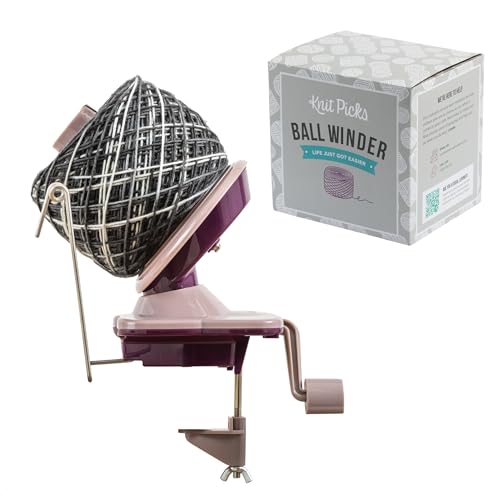
- Makes center-pull cakes up to 100 grams
- Clamps to surfaces up to 1-1/2 inches thick
- Folding, removable parts support compact storage
Best For: Crafters seeking a simple, space-conscious manual winder
Best Electric Option

- Automatically winds cakes with less hand fatigue
- Stepless speed control supports varied yarn needs
- Handles yarn loads up to 7 ounces
Best For: Frequent winders wanting hands-free tabletop operation
Best Simple Pink Pick
Olikraft Manual Yarn Ball Winder

- Turns hanks and skeins into neat yarn cakes
- Designed for knitting and crochet projects
- Distinctive coral pink finish
Best For: Crafters wanting a straightforward manual skein organizer
Best Cordless Upgrade
Large-Capacity Electric Yarn Winder

- Rechargeable cordless design with up to 10 hours of runtime
- 15-ounce capacity for larger yarn cakes
- Stepless speed control and dual-spring tension
Best For: Portable, automatic winding for larger knitting and crochet projects
Best Simple Pick
Lightweight Pink Yarn Ball Winder

- Lightweight 14.4-ounce design
- Detachable head for most yarns
- Low-noise, portable manual operation
Best For: Simple yarn winding in compact craft spaces
Best Heavy-Duty Manual Option

- 10–15-ounce capacity for larger yarn cakes
- Handles worsted, bulky, and super-bulky yarn
- Iron base and stainless steel components
Best For: Frequent manual winding of larger or thicker yarns
Heavy-Duty Pick – Stanwood Large Metal Yarn Winder
If you want a durable yarn winder for frequent projects, the Stanwood Needlecraft model emphasizes stability, capacity, and straightforward setup. Its steel construction and 10-ounce capacity make it suited to organizing larger amounts of yarn by hand.
Best For: Crafters who want a sturdy, high-capacity manual yarn winder for regular needlecraft use.
Pros:
- Creates convenient center-pull yarn balls.
- Thick steel construction with a rust-resistant powder coating helps keep it stable.
- 10-ounce capacity handles more yarn than a conventional winder.
- Tool-less setup and reinforced nylon gears simplify winding.
Cons:
- Hand-powered operation requires continued manual effort.
- The metal design may be less convenient to transport than a compact plastic model.
Choose this yarn winder when capacity and a secure tabletop setup matter more than portability or automation. It is a practical option for knitters and other needlecrafters who wind yarn often.
Automatic Convenience – Etcokei Electric Yarn Winder
This electric yarn winder is designed to reduce hand fatigue while turning loose yarn into compact cakes. Its adjustable speed, dual-spring tension, and compact body make it a convenient choice for knitters and crocheters who prefer automatic winding.
Best For: Crafters seeking an electric yarn winder with adjustable speed and a space-saving design.
Pros:
- Automatically winds yarn cakes without continuous hand cranking.
- Dual springs help maintain tension and reduce vibration and knotting.
- Stepless speed control accommodates different yarn types and winding preferences.
- Handles up to 7 ounces while taking up relatively little table space.
Cons:
- Requires access to a power source, unlike hand-powered winders.
- Its 7-ounce capacity is lower than the capacity of some larger models.
For projects where winding volume or hand fatigue is a concern, this model adds useful automation without requiring a large footprint. The adjustable speed gives you more control than a fixed-speed electric design.
Starter Combo – INMAKER Yarn Winder and Swift
The INMAKER combines a yarn winder and adjustable swift in one beginner-friendly setup. It assembles in four steps, creates smooth center-pull balls, and is sized for lighter yarn loads and desks under 1.5 inches thick.
Best For: Beginners and casual crafters who want a compact yarn winder-and-swift combination.
Pros:
- Four-step assembly helps you get started quickly.
- Produces flat-sided yarn balls with a smooth center pull.
- Adjustable swift supports yarn diameters up to 23.6 inches.
- ABS construction is designed for lower noise and longer use than PP plastic.
Cons:
- Designed for yarn weighing less than 4 ounces.
- Requires a desk with a thickness under 1.5 inches for installation.
This combo is a sensible entry point if you need both winding and skein support in one package. Its limits make it better suited to smaller projects than heavy or oversized yarn loads.
Large-Capacity Electric – 10oz Auto Yarn Spinner
This large-capacity electric yarn winder is built for fast, consistent cake winding with minimal manual effort. Its dual-spring tension system, adjustable speed, and 10-ounce capacity target crafters who want both automation and room for larger skeins.
Best For: Knitters and crocheters who want a quiet, portable electric winder for larger yarn loads.
Pros:
- Automatically creates center-pull yarn cakes in minutes.
- Dual-spring tension is designed to produce uniform, stable winding.
- Stepless speed adjustment works with different materials and preferences.
- 10-ounce capacity offers more room than standard smaller winders.
Cons:
- Electric operation requires a power source.
- Although compact, it is less suitable for users who specifically want a manual winder.
Among electric yarn winders, this model stands out for pairing a larger 10-ounce capacity with a compact 7-by-5-by-6-inch body. It is a strong fit for home use, workshops, or crafting groups where efficient winding matters.
Best Compact Manual Pick – Knit Picks Yarn Ball Winder
If you want a straightforward way to organize hanks and skeins, this manual yarn winder creates compact, center-pull cakes for knitting and crochet. It handles up to 100 grams or 3.5 ounces across yarn weights from lace and fingering to worsted and bulky.
Best For: Crafters who want a compact, manually operated winder that is easy to assemble and store.
Pros:
- Creates compact center-pull yarn cakes.
- Clamps to table edges or surfaces up to 1-1/2 inches thick.
- Removable spindle and foldable guide arm simplify storage.
- Works with a range of yarn weights up to 100 grams.
Cons:
- Manual operation requires hand winding.
- Its stated capacity is limited to 100 grams or 3.5 ounces.
- A yarn swift is recommended for best results.
The Knit Picks winder is a practical choice for occasional or regular home use, especially if compact storage and simple setup matter more than automatic operation.
Best Electric Option – Caydo M1 Electric Yarn Winder
For faster yarn organization with less hand effort, the Caydo M1 is an electric yarn winder designed to turn loose yarn into compact cakes automatically. Its adjustable speed and dual-spring tension system are intended to support smoother winding across yarn types.
Best For: Knitters and crocheters who prioritize hands-free winding, adjustable speed, and a compact electric design.
Pros:
- Automatically winds yarn, reducing hand fatigue.
- Stepless speed control accommodates different winding needs.
- Dual springs help maintain tension and reduce vibration and knotting.
- Handles yarn up to 7 ounces while occupying a relatively small tabletop footprint.
Cons:
- Weighs 1.47 pounds, making it heavier than a small manual winder.
- Requires access to power for automatic operation.
- Its larger stated capacity may still be unsuitable for yarn amounts over 7 ounces.
The Caydo M1 stands out when convenience and speed are priorities. Variable control and automatic winding make it a useful upgrade for frequent winding sessions, workshops, or larger yarn loads.
Best Simple Pink Pick – Olikraft Manual Yarn Ball Winder
The Olikraft manual yarn winder is made for turning hanks and skeins into tidy, tangle-free yarn cakes. It is a focused yarn winder for knitting and crochet, giving yarn crafters a simple way to prepare materials for upcoming projects.
Best For: Yarn enthusiasts who want a dedicated manual baller for organizing skeins into neat cakes.
Pros:
- Transforms hanks into tidy yarn cakes.
- Designed for both knitting and crocheting.
- Supports smoother yarn management for creative projects.
- Coral pink color adds a distinctive appearance.
Cons:
- Manual winding requires user effort.
- The supplied notes do not specify a yarn-weight or capacity limit.
- The supplied notes do not detail its clamping or storage features.
Choose the Olikraft if your main goal is uncomplicated skein organization in a dedicated manual tool. Its straightforward design and coral pink finish make it an appealing option for everyday yarn preparation.
Best Cordless Upgrade – Large-Capacity Electric Yarn Winder
If you want yarn winders with less manual effort and more flexibility, this cordless electric model combines rechargeable operation with a 15-ounce capacity. Its adjustable speed and guided tension make it practical for preparing yarn for larger knitting and crochet projects.
Best For: Crafters who want an automatic, portable yarn winder for larger yarn cakes and longer winding sessions.
Pros:
- Rechargeable 3600mAh battery provides up to 10 hours of runtime.
- 15-ounce capacity reduces the need to divide larger skeins.
- Stepless speed control, dual-spring tension, and low-noise operation support controlled winding.
- Includes two yarn ball tubes and a one-year warranty.
Cons:
- Compatibility is listed for yarn weight 5 and below.
- Requires charging before cordless use.
This is the most feature-rich option in the group, especially if you value portability, capacity, and automatic winding over a simple hand-operated setup.
Best Simple Pick – Lightweight Pink Yarn Ball Winder
GEIWOGUO Yarn Winder Fiber Yarn String Ball Winder Holder Hand Operated (Pink)
Check Price On AmazonFor shoppers comparing yarn winders for occasional or space-conscious crafting, this hand-operated model offers a lightweight design and detachable winding head. It is intended to make winding wool and other strings into balls easier without adding a bulky electric machine.
Best For: Crafters who want a portable, lightweight manual winder for basic yarn-ball preparation.
Pros:
- Lightweight 14.4-ounce construction is convenient to move and store.
- Detachable winding head accommodates most yarns.
- Designed for low-noise operation and portable use.
- Instruction paper is included for setup and use.
Cons:
- Hand-operated, so winding requires manual effort.
- The supplied notes do not specify a capacity rating or table-clamp details.
This is a straightforward choice when portability and simplicity matter more than high capacity or automatic operation.
Best Heavy-Duty Manual Option – 10–15 oz Yarn Winder
If you prefer a sturdy hand-crank solution, this large yarn winder supports 10–15 ounces and is designed to create compact yarn cakes efficiently. Its iron base, ABS gears, stainless steel handle, and table clamps suit regular knitting and crochet preparation.
Best For: Knitters and crocheters who need a high-capacity manual winder for worsted, bulky, and super-bulky yarns.
Pros:
- 10–15-ounce capacity can handle many larger yarn balls without splitting them.
- Supports different yarn thicknesses, including worsted, bulky, and super bulky.
- Sturdy construction includes an iron base, ABS gears, stainless steel handle, and clamps.
- Five-step installation and a full-color instruction manual simplify setup.
Cons:
- Requires manual hand cranking.
- Table clamps fit surfaces up to 1.8 inches thick.
- At 2.97 pounds, it is less portable than a lightweight compact winder.
This model is a strong practical fit for frequent manual winding, particularly when capacity and durable materials are more important than cordless convenience.
How We Picked These Yarn Winders
We selected models across the main categories shoppers compare: manual and electric operation, compact and heavy-duty designs, different capacity ratings, and options with an included yarn swift. We also considered practical details such as portability, power requirements, ease of setup, stability, and suitability for occasional or frequent use.
Capacity claims are useful but not absolute. The amount a winder can handle depends on yarn thickness, fiber type, winding tension, and the finished cake size. Treat stated capacities as a guide rather than a guarantee.
Quick Comparison
| Best For | Recommended Type | What to Look For |
|---|---|---|
| Occasional home use | Manual winder | Stable clamp, smooth crank, compact storage |
| Frequent winding | Electric winder | Adjustable speed, reliable motor, simple controls |
| Large skeins | Heavy-duty manual or electric | 10-ounce or higher stated capacity and sturdy base |
| Complete yarn preparation | Winder-and-swift combo | Compatible mounting, coordinated tension, easy setup |
| Portable crafting | Cordless rechargeable model | Battery runtime, charging method, manageable weight |
Key Buying Factors for Yarn Winders
Manual Versus Electric Operation
Manual winders are usually quieter, less expensive, and easy to use without an outlet. They work well for occasional winding and give you direct control over speed. Electric models are faster and more convenient when processing multiple skeins, but they may require more setup and can be noisier.
Capacity and Yarn Compatibility
Check the stated capacity against the yarn you commonly buy. Bulky yarn and loosely wound fibers take up more space than fine yarn. A larger model offers flexibility, but it may also require a stronger table clamp or a larger storage footprint.
Stability, Tension, and Construction
A secure clamp or broad base helps prevent movement while winding. Look for smooth guides, a firm spindle, and construction that does not flex under load. Adjustable speed is particularly helpful for delicate, slippery, or uneven yarn.
Swift Requirements and Workspace
If your yarn arrives in hanks, a swift makes unwinding much easier and helps prevent tangles. A combo kit can save you from buying separate equipment, while a standalone winder may be better if you already own a swift or primarily use center-pull skeins.
Who Should Buy Which Yarn Winders?
Choose a compact manual option if you wind yarn only occasionally or want the lowest-maintenance setup. A larger manual winder is a better fit for frequent hand winding and oversized skeins. Select an electric model if speed, reduced hand effort, and repeatable preparation matter most. A cordless electric winder suits crafters who move between rooms, classes, or craft events, provided its battery capacity meets your workload.
For a beginner starting with hanks, an included swift-and-winder combination is often the simplest purchase. Experienced knitters and crocheters should prioritize capacity, stability, replacement parts, and speed control over color or appearance. Whichever style you choose, secure the unit firmly, guide the yarn consistently, and avoid exceeding its practical capacity to produce neater cakes and smoother feeding during your projects.