Soap making can turn a classroom craft into a practical lesson in measurement, materials, color, scent, and safe process-based experimentation. The best kits keep preparation manageable while giving students enough creative control to make something they are proud to use or share.
We selected 10 soap making kits for classrooms and similar group settings, including kid-focused activity sets, beginner melt-and-pour kits, and larger options with multiple molds, colors, and fragrances. Use the guide below to match the kit’s supplies and safety requirements to your students, lesson plan, and available classroom time.
Best 10 Soap Making Kits for Classrooms Picks for 2026
Best STEM Starter
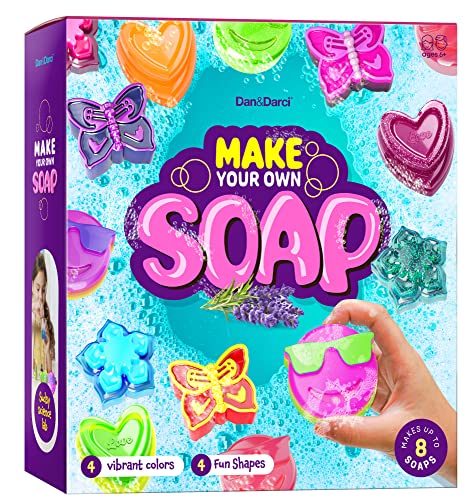
- Creates eight soaps with four molds
- Includes colors, fragrances, glitter, and beakers
- Designed for ages 6–12 and group activities
Best For: Small-group elementary STEM and craft lessons
Best Creative Supply Set

- Includes 2 pounds of glycerin soap base
- Adds flowers, oils, pigments, molds, and packaging
- Works for kids and adults
Best For: Flexible design and take-home gift projects
Best for Large-Group Variety

- Makes at least 40 shaped soaps
- Includes eight themed molds
- Supports classroom tools, parties, and school prizes
Best For: Large-group stations and shape-focused activities
Best Full-Class Value
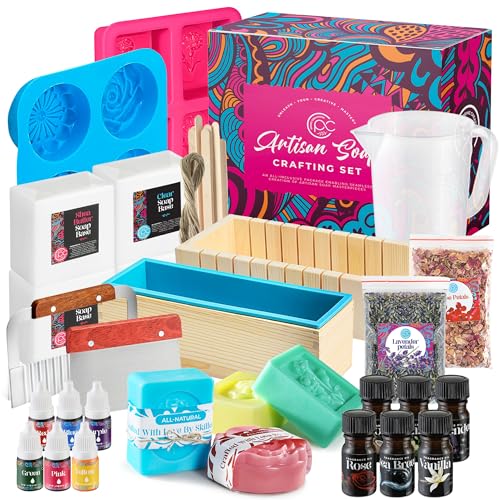
- Includes 4 pounds of soap base
- Offers six scents, six colors, molds, and cutters
- Adds extensive wrapping and packaging supplies
Best For: High-volume classroom projects with presentation work
Best Starter Pick
Beginner Glycerin Soap Making Kit

- Pre-cut glycerin base supports easy melt-and-pour crafting.
- Six-cavity mold and three dyes encourage creative designs.
- Includes orange essential oil and step-by-step instructions.
Best For: Teen beginners and small introductory craft groups
Best Themed Activity

- Four unicorn, rainbow, horn, and heart molds add variety.
- Includes ten soap blocks, four colors, two scents, and glitter.
- Designed for ages 6–12 with included tools and instructions.
Best For: Themed children’s activities and creative STEM lessons
Best for Group Sharing

- Includes 2 pounds of pre-cut goat milk soap base.
- Six scents and six colors support varied designs.
- Ten gift boxes help students package finished soaps.
Best For: Group workshops and classes sharing materials across stations
Best Classroom Value
Golray Unicorn & Mermaid Soap Kit

- Makes at least 40 soap pieces
- 21 reusable themed silicone molds
- Includes colors, scents, glitter, and gift packaging
Best For: Elementary and middle-school group activities
Best Simple Group Project
Prime Creations Soap Making Kit

- Includes 2 pounds of soap base
- Four fragrances and four dye colors
- Adds petals, wrappers, and twine for presentation
Best For: Guided classroom projects with take-home gifts
Best Deluxe Setup
CraftZee Large Deluxe Soap Kit

- Includes four soap bases and six fragrances
- Comes with cutters, loaf molds, and soap cutter box
- Provides six dyes, wrappers, and detailed tools
Best For: Instructor-supervised advanced workshops
Best STEM Starter – Kids’ Soap Making Kit
For classrooms looking for soap making kits for classrooms, this compact option combines a simple craft project with a STEM-focused activity. Students can mix colors, fragrances, and glitter, then pour layered designs into four molds.
Best For: Small-group activities with children ages 6–12, especially lessons involving color mixing, measuring, and creative design.
Pros:
- Includes eight soap-base blocks for creating up to eight soaps.
- Supplies include four colors, two fragrances, glitter, four molds, beakers, and stirring sticks.
- Instruction guide and removal tool support a straightforward activity setup.
- Designed around educational STEM play and group use.
Cons:
- The miniature 7 x 4 x 2-inch format may be better suited to small groups than a full class.
- The kit includes only four molds, so students may need to work in turns.
This is a practical choice when a teacher wants a contained, colorful soap project with clearly listed components and a younger age focus.
Best Creative Supply Set – Basic Soap Making Kit
This soap making kit for classrooms is geared toward flexible, beginner-friendly crafting rather than a narrowly structured experiment. Its 2-pound glycerin base, silicone molds, dried flowers, essential oils, pigments, and gift packaging give students several ways to customize finished soaps.
Best For: Older students or mixed kid-and-adult groups working on design, scent, color, and presentation projects.
Pros:
- Provides 2 pounds of melt-and-pour soap base for multiple projects.
- Includes dried flowers, essential oils, pigments, and silicone molds for varied designs.
- Ten gift boxes and bags support packaging or take-home projects.
- Suitable for both kids and adults according to the listed age range.
Cons:
- The supplied notes do not specify the number or shapes of the molds.
- Its 1.69 kg weight and medium size may require more classroom storage space than a mini kit.
- The notes emphasize creative freedom, so teachers may need to provide their own lesson structure.
Choose this set when the class needs more base material and decorating flexibility, particularly for projects that end with packaged handmade gifts.
Best for Large-Group Variety – FunKidz Soap Kit
Among soap making kits for classrooms, this FunKidz set stands out for its assortment of themed shapes and stated capacity for at least 40 soaps. The step-by-step process is described as mixing, blending, and pouring, with finished soaps ready in about 30 minutes.
Best For: Classroom stations, parties, or larger groups that want varied shapes and colorful soap-design options.
Pros:
- Includes eight shapes, including a unicorn, mermaid tail, dinosaur, ice cream, car, heart, and smiling face.
- Supplies are listed for creating at least 40 soaps.
- Supports layered, multicolor, galaxy, tie-dye, and 3D-style designs.
- Includes gift boxes and is specifically described as suitable for classroom tools and school prizes.
Cons:
- The broad age range and many design options may require close teacher organization.
- The notes do not specify the exact quantity of every consumable ingredient.
- Students may need shared access to the included molds and mixing supplies.
Its high stated output and playful shape selection make this a strong fit for rotating classroom stations or a collaborative soap-making event.
Best Full-Class Value – Large Soap Making Kit
For classrooms seeking soap making kits for classrooms with substantial supplies, this large set includes 4 pounds of soap base and an extensive range of tools and finishing materials. Students can choose among six fragrances and six dye colors while experimenting with molds, loaf cutting, wrapping, and packaging.
Best For: Larger or repeated classroom projects where students can create, cut, decorate, and package soaps.
Pros:
- Includes 4 pounds of soap base for a high-volume project.
- Offers six fragrances, six dye colors, assorted silicone molds, and a soap mold loaf.
- Includes a cutting box, two stainless steel cutters, pouring pitcher, and stirring sticks.
- Provides 25 soap wrappers, 50 shrink packaging bags, twine, and flower petals for presentation.
Cons:
- At 3.99 kg, the large kit may be cumbersome for limited classroom storage.
- The cutting tools and melt-and-pour process may require especially careful adult supervision.
- Its extensive 113-piece inventory may take longer to organize before class.
This is the most production-oriented option in the group, making it useful when the lesson includes both soap creation and finished-product presentation.
Best Starter Pick – Beginner Glycerin Soap Making Kit
For shoppers comparing soap making kits for classrooms, this beginner-focused glycerin set offers a straightforward melt-and-pour activity. Students can work with a six-cavity mold, three primary-color dyes, and orange essential oil while following the included step-by-step instructions.
Best For: Teen beginners, small-group craft lessons, and introductory color-mixing activities.
Pros:
- Includes a pre-cut clear soap base designed to melt quickly.
- Three colors support basic color-mixing and design experiments.
- Comes with a six-cavity silicone mold, instructions, dropper, stirring stick, and foaming net.
- Orange essential oil adds a refreshing scent to finished soaps.
Cons:
- The kit is listed for teens, so it may require closer adult supervision with younger students.
- Only one mold and one soap-base pack are included, which may limit a larger classroom session.
This is a compact option for educators who want a simple, guided soap-making project rather than a high-volume classroom supply kit. Its color-mixing components add an easy creative and instructional element.
Best Themed Activity – Unicorn Soap Making Kit
Among soap making kits for classrooms, this unicorn-themed set stands out for its visual appeal and group-friendly activity format. It combines multiple molds, colors, scents, glitter, and a working tray for layered soap designs that can connect crafting with a simple STEM lesson.
Best For: Children ages 6–12, themed classroom projects, and creative STEM activities.
Pros:
- Includes four themed molds: unicorn, rainbow, unicorn horn, and hearts.
- Ten soap-base blocks, four colors, two fragrances, and glitter provide varied design options.
- Beaker, pop sticks, tray, trimming tool, and instructions support a structured activity.
- Finished soaps are described as setting in about 45 minutes.
Cons:
- The unicorn theme may be less suitable for students wanting neutral or non-themed designs.
- One kit may not provide enough materials for a full classroom without additional supplies or group sharing.
This kit is a strong choice when engagement and finished-product variety matter. Its multiple molds and bright materials can help maintain interest, though teachers should plan how students will share the single included set.
Best for Group Sharing – Goat Milk Soap Making Kit
For classrooms needing more material variety, this goat milk set offers a larger 2-pound pre-cut soap base along with six scents, six colors, silicone molds, and gift boxes. Its melt-and-pour format is positioned as a quick project, making it practical for a guided group activity with shared stations.
Best For: Larger craft groups, beginner workshops, and classes that want students to package finished soaps.
Pros:
- Includes 2 pounds of pre-cut goat milk soap base, eliminating the need to cut hard blocks.
- Six fragrances and six colors allow extensive customization.
- Reusable silicone molds are designed for easier soap removal.
- Ten included gift boxes make it possible to package or share finished bars.
Cons:
- The supplied details do not specify the exact number or shapes of molds.
- With multiple scents and colors, classroom use may require a clear station setup and material-management plan.
- The product is marketed toward adults and beginners, so younger students may need close supervision.
This is the most supply-rich option of the three for a classroom-style project, especially when students will take home or gift their creations. The larger base and broad color and scent selection make shared use more feasible than a small starter kit.
Best Classroom Value – Golray Unicorn & Mermaid Soap Kit
For classrooms seeking soap making kits for classrooms with plenty of student-friendly variety, the Golray kit stands out for its quantity and colorful themes. It includes enough supplies for at least 40 soap pieces, multiple reusable silicone molds, fragrances, pigments, glitter, and packaging for sharing or gifting.
Best For: Elementary and middle-school craft activities, science-and-art lessons, and group projects involving several students.
Pros:
- Supplies are designed to make at least 40 soap pieces.
- Includes 21 silicone molds with unicorn, mermaid, butterfly, flower, rainbow, and sun shapes.
- Offers two fragrances, four pigments, glitter, mini figures, and packaging materials.
- The included instructions describe a mix, pour, and wait process with soap ready within about 30 minutes.
Cons:
- The unicorn-and-mermaid theme may be less suitable for older students or non-themed projects.
- The notes do not specify classroom safety equipment or a dedicated melting appliance.
Its large supply count and playful molds make this a practical choice when one kit needs to support a whole class or a shared activity. Teachers should still plan the heated-soap portion and supervision separately.
Best Simple Group Project – Prime Creations Soap Making Kit
Prime Creations offers a straightforward option for soap making kits for classrooms, combining a 2-pound soap base with four fragrances, four dye colors, a silicone mold, and decorative materials. Its smaller component count can make it easier to organize for a guided class project or demonstration.
Best For: Teacher-led classroom sessions where students create a limited number of decorated soap bars and practice color and fragrance choices.
Pros:
- Includes 2 pounds of melt-and-pour soap base.
- Provides four fragrances and four liquid dye colors for customization.
- Rose and lavender petals add a decorative, floral element.
- Includes 14 wrappers, craft twine, and a handbook for presenting finished soaps.
Cons:
- The four-section mold may offer less individual shaping variety than kits with many molds.
- The supplied notes do not state how many finished soap pieces the 2-pound base produces.
This kit is a good fit when simplicity and presentation matter more than a large assortment of shapes. The wrappers and twine also support a classroom activity focused on making take-home gifts.
Best Deluxe Setup – CraftZee Large Deluxe Soap Kit
For adult-led workshops or advanced soap making kits for classrooms, the CraftZee Large Deluxe set provides a broad collection of tools and materials. It includes four soap bases, six fragrances, six dyes, loaf and floral molds, cutting tools, a soap cutter box, wrappers, and an instruction manual.
Best For: High-school, adult education, enrichment, or instructor-supervised workshops that need varied tools for more structured soap-making practice.
Pros:
- Includes four melt-and-pour bases in shea butter and clear varieties.
- Offers six fragrance oils and six liquid dyes for extensive customization.
- Provides a soap cutter box, wavy and straight cutters, pitcher, stirring sticks, and multiple molds.
- Includes 25 wrappers and an instruction manual for finished-bar presentation.
Cons:
- It is identified for adults, so younger classrooms may need especially close supervision.
- The loaf molds and cutting tools may be more equipment than a short elementary activity requires.
- The notes do not specify the total number of bars the included bases can produce.
This is the most equipment-rich choice of the three, making it better suited to a planned workshop than a quick craft period. Its multiple cutters and molds can support demonstrations of different soap formats and finishing techniques.
How We Picked These Soap Making Kits for Classrooms
We focused on kits that use a relatively approachable melt-and-pour process and provide several core supplies in one package. Our comparison considered the included soap base, mold variety, colorants, fragrances, cutting tools, project capacity, age guidance, and how easily an instructor can organize the activity.
Because classroom conditions vary, we also looked for practical differences between small introductory sets and larger kits intended for repeated projects or group participation. Adult supervision remains important, particularly when melting soap base, handling hot containers, or using cutting tools.
Quick Comparison
| Kit type | Best for | What to check |
|---|---|---|
| Kids’ themed kits | Elementary crafts, parties, and reward activities | Age range, mold count, and small-part management |
| Basic beginner kits | Short demonstrations and first projects | Base quantity, included colors, and fragrance variety |
| Large or deluxe kits | Clubs, larger classes, or multiple sessions | Total output, cutting equipment, and refill needs |
| Adult-oriented kits | Older students and detailed craft lessons | Instructions, handling requirements, and workspace needs |
Key Buying Factors for Soap Making Kits for Classrooms
Quantity and Group Size
Check the weight of the soap base and estimate how many bars each student or group can make. A kit that suits one family project may not provide enough material for a full class. Larger kits can reduce per-student cost, but only if the molds and other supplies are also sufficient.
Safety and Supervision
Choose a process your classroom can manage. Melt-and-pour soap is generally simpler than cold-process soap, but melted base can still cause burns. Review age recommendations, keep heating under adult control, and prepare a plan for spills, fragrance sensitivities, and handwashing.
Molds, Colors, and Scents
Varied silicone molds make the activity more engaging and can support lessons about shapes, volume, and design. Dyes and fragrances add creative options, although unscented projects may be preferable for students with sensitivities or school policies that limit allergens and strong smells.
Instructions and Cleanup
Clear directions matter when several groups work simultaneously. Look for kits with measured components, containers or cutting tools where appropriate, and supplies that can be stored between sessions. Silicone molds are typically easier to clean and reuse than rigid plastic alternatives.
Who Should Buy Which Soap Making Kits for Classrooms?
For younger students, choose a themed kids’ kit with simple molds, clear age guidance, and an adult-led melting step. These sets are useful for short classroom activities where creativity matters more than technical detail.
For beginner science or craft lessons, a basic kit with glycerin base, pigments, oils, and several molds provides a straightforward introduction to ratios, states of matter, and product design. For larger classes, clubs, or recurring workshops, prioritize a deluxe or high-capacity kit with more base, molds, and cutting supplies.
Older students and adult learners may prefer a more complete set with multiple fragrances, a cutting box, loaf molds, or goat milk base. Before ordering, compare the usable quantity—not just the number of accessories—and confirm that the kit fits your classroom’s heating equipment, supervision plan, and cleanup routine.