Experienced artists need more than a basic mixing surface. The right palette should suit your medium, support accurate color control, and remain comfortable through long sessions.
This roundup compares 10 carefully selected palettes, including tempered glass, porcelain, ceramic, and wooden options for studio work, travel, and organized color mixing.
Best 10 Artist Palettes for Experienced Artists Picks for 2026
Studio Mixing Surface
Neutral Grey Tempered Glass Palette

- Two large 12-by-16-inch glass palettes
- Neutral grey surface aids color judgment
- Works with oils, acrylics, watercolor, and gouache
Best For: Experienced studio artists needing a durable, spacious mixing surface
Paint Preservation Solution
Masterson Palette Seal 12 x 16

- Sealed 12-by-16-inch studio storage tray
- Designed for acrylic and oil workflows
- Tray and lid included; paper and sponge sold separately
Best For: Studios and classrooms storing wet paint between sessions
Well-Based Studio Palette
MEEDEN 32-Well Ceramic Palette

- 32 deep wells for organized color storage
- Large central area for free mixing
- Solid porcelain body with a lid
Best For: Studio watercolor and mixed-media painters managing many colors
Portable Painting Pair

- Includes rectangular and oval palettes
- Lightweight, transparent acrylic construction
- Reusable surfaces for acrylic and gouache
Best For: Artists painting on location, in classes, or while traveling
Stable Mixing Classic
MEEDEN 18-Well Ceramic Palette

- 18 deep wells plus a large center mixing area
- Durable, weighty ceramic construction
- Suitable for watercolor, gouache, acrylic, oil, and tempera
Best For: Experienced artists needing stable, high-capacity color mixing
Portable Painter's Choice
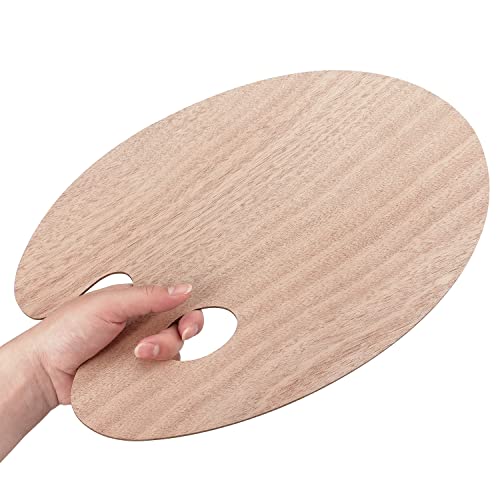
- Traditional thumb-holder design for either hand
- Lightweight and easy to carry
- Smooth polished wood surface for reusable use
Best For: Artists wanting a lightweight handheld palette for classes or outdoor painting
Spacious Porcelain Workhorse
MEEDEN 10-Inch Porcelain Palette

- Large 10-by-7-inch glazed porcelain surface
- Stable design resists sliding while mixing
- Includes a palette cup and wash bowl
Best For: Studio artists seeking a roomy, reusable porcelain mixing palette
Large Porcelain Workhorse

- 10 x 6.3-inch tray with a spacious central mixing area
- Multiple wells hold numerous pigments
- Glazed porcelain is durable and easy to clean
Best For: Large-scale studio mixing and water-based media
Stable 12-Well Classic
MEEDEN Porcelain Watercolor Palette

- Round 7-inch format suits studio or fieldwork
- Twelve wells organize a broad color selection
- Weighted porcelain stays stable while mixing
Best For: Organized watercolor and multi-medium color mixing
Handheld Color-Wheel Tray

- Eight-inch round design supports handheld use
- Twelve side wells surround a central mixing area
- Porcelain surface shows hues clearly and cleans with water
Best For: Portable color studies, classes, and versatile medium use
Studio Mixing Surface – Neutral Grey Tempered Glass Palette
For experienced artists comparing artist palettes for experienced artists, this two-pack of 12-by-16-inch tempered-glass palettes offers a broad, durable surface for mixing oils, acrylics, watercolors, gouache, and inks. The neutral grey finish can also help with color judgment, while the smooth surface simplifies cleanup.
Best For: Studio artists who want a large, reusable mixing surface for multiple paint types.
Pros:
- Scratch-resistant tempered glass with a generous 12-by-16-inch working area.
- Neutral grey tone supports more consistent color evaluation.
- Includes two palettes and 10 non-slip adhesive pads.
- Smooth surface allows dried paint to be scraped away with a razor blade.
Cons:
- Hand wash only; it should not be placed in a dishwasher.
- Its large glass format is better suited to studio use than portability.
This is a practical choice when workspace, durability, and easy paint removal matter more than compact storage. The included pads add stability, but the palette’s size and glass construction favor a dedicated studio setup.
Paint Preservation Solution – Masterson Palette Seal 12 x 16
For experienced artists evaluating artist palettes for experienced artists, the Masterson Palette Seal is a storage-focused option for preserving paint between sessions. Its 12-by-16-inch tray and sealing lid are designed for full-size studio palettes and acrylic or oil workflows.
Best For: Artists, instructors, and studios that need to store a full-size wet palette between painting sessions.
Pros:
- Studio-size 12-by-16-inch format accommodates full-size palettes.
- Sealing lid helps keep wet paint fresh for up to weeks when used as directed.
- Suitable for acrylic and oil painting workflows.
- Useful for studios, classrooms, and shared art spaces.
Cons:
- Includes only the tray and lid; palette paper and sponge are sold separately.
- Its storage-oriented design is not a standalone mixing palette.
- Care instructions call for hand washing and avoiding submersion.
This product makes the most sense for artists who already have compatible supplies and want to reduce paint waste between sessions. It is a palette-preservation accessory rather than a complete paint-mixing setup.
Well-Based Studio Palette – MEEDEN 32-Well Ceramic Palette
For artists comparing artist palettes for experienced artists, this extra-large ceramic palette combines 32 deep wells with a broad central mixing area. Its substantial porcelain construction is intended for studio work and supports watercolor, gouache, acrylic, casein, oil, and tempera painting.
Best For: Studio painters who organize many colors while keeping a large area available for blending.
Pros:
- Offers 32 deep wells plus a large central mixing area.
- Solid ceramic construction is designed to resist sliding while painting.
- Smooth polished surface wipes clean with a tissue.
- Includes a lid for a more contained studio setup.
Cons:
- Its ceramic construction and 12.6-inch square size make it less travel-friendly.
- Hand washing is required, and sudden temperature changes should be avoided.
This palette is a strong fit for color-rich studio sessions where organization and mixing space are priorities. The many wells are especially useful for maintaining separate colors, while the central area supports larger blends.
Portable Painting Pair – Tamaki Clear Acrylic Palettes
For experienced artists seeking artist palettes for experienced artists that are easy to carry, this two-piece Tamaki set includes a rectangular and an oval transparent acrylic palette. The smooth, reusable surfaces suit acrylic, gouache, and other pigment-mixing tasks, while the compact format works well for classes and outdoor painting.
Best For: Mobile painters who want lightweight, portable palettes in two shapes.
Pros:
- Includes one rectangular and one oval palette.
- Transparent acrylic construction is lightweight and portable.
- Smooth surfaces are reusable and easy to clean.
- Suitable for painting classes, crafts, acrylic, and gouache mixing.
Cons:
- The protective film must be removed from both sides before use.
- Acrylic requires hand washing and should be kept away from high heat and harsh chemicals.
- Transparent surfaces may provide less neutral color reference than a grey palette.
This set is best when portability and shape variety matter more than a heavy studio palette. Its clear acrylic design is convenient for travel, lessons, and casual outdoor work, with straightforward cleanup after use.
Stable Mixing Classic – MEEDEN 18-Well Ceramic Palette
For experienced artists comparing artist palettes for experienced artists, this ceramic MEEDEN tray offers a stable setup for organizing several colors and mixing larger batches. Its 18 deep wells and broad center mixing area suit watercolor, gouache, acrylic, oil, and tempera work in the studio or outdoors.
Best For: Artists who want a durable, weighty palette with many wells and a dedicated central mixing area.
Pros:
- Premium ceramic construction is durable and reusable.
- 18 deep wells provide generous color organization.
- Large smooth mixing area helps colors spread evenly and wipes clean with a tissue.
- Weighty design helps keep the palette from sliding or flipping during use.
Cons:
- At 0.51 kg, it is heavier than a lightweight travel palette.
- It is not dishwasher safe or oven safe.
This is a strong studio-or-field option when stability, capacity, and easy cleanup matter more than minimal weight. The rectangular ceramic format gives experienced painters plenty of room to work through complex mixes.
Portable Painter's Choice – Tamaki Wooden Paint Palette
Among artist palettes for experienced artists, this Tamaki wooden palette favors a traditional handheld painting experience. Its polished wood surface, thumb holder, and right- or left-hand design make it practical for classes, home projects, or painting outdoors.
Best For: Painters who prefer a lightweight, traditional handheld palette for acrylics and general art projects.
Pros:
- Traditional shape is designed for comfortable right- or left-hand use.
- Smooth, polished wood has comfortable edges and is reusable.
- Lightweight 0.14 kg construction is easy to carry in a backpack, purse, or tote.
- Suitable for teachers, students, amateur artists, and professionals.
Cons:
- The single flat tray does not provide dedicated wells for separating colors.
- Care instructions call for wiping with a dry cloth, so cleanup is less direct than with a washable ceramic palette.
This palette is a sensible choice when portability and a familiar thumb-holder format take priority. Its simple wooden design works well for artists who mix directly on a broad surface rather than needing multiple compartments.
Spacious Porcelain Workhorse – MEEDEN 10-Inch Porcelain Palette
For experienced artists evaluating artist palettes for experienced artists, this 10-by-7-inch MEEDEN porcelain palette provides a spacious, stable surface for mixing and organizing materials. Its smooth glazed finish is suited to watercolor, gouache, tempera, and acrylic work, while the weight-based design helps limit sliding.
Best For: Artists who want a large classic porcelain palette for organized mixing and repeated studio use.
Pros:
- White glazed porcelain offers a strong, reusable structure.
- Smooth surface, edges, and corners support easy color mixing.
- Weight-based design helps keep the palette stable while working.
- Can be washed with water or tissues and includes a palette cup and wash bowl.
Cons:
- Its 880 g weight makes it less convenient for lightweight travel.
- Hand-wash-only care requires more deliberate cleanup.
- The notes describe a broad tray format rather than multiple dedicated paint wells.
This MEEDEN palette is best viewed as a dependable studio workhorse: roomy, stable, and easy to maintain. Choose it over a lighter handheld option when a larger porcelain mixing surface and included washing accessories are more valuable than portability.
Large Porcelain Workhorse – MEEDEN Ceramic Paint Palette
For experienced artists seeking artist palettes for experienced artists, this 10-by-6.3-inch MEEDEN tray offers a generous central mixing area and several pigment wells. Its white-glazed porcelain surface is designed to show colors clearly and clean up easily across watercolor, gouache, acrylic, and other water-based media.
Best For: Artists who need substantial mixing space for larger artwork or multiple colors in the studio.
Pros:
- Large central mixing area with multiple pigment storage sections
- White porcelain helps show mixed colors clearly
- Polished, glazed surface is easy to clean and resists pigment residue
- Suitable for watercolor, gouache, acrylic, and other water-based media
Cons:
- At 0.65 kg, it is heavier than a lightweight plastic palette
- Hand washing and air drying are recommended; it is not dishwasher safe
This is the most spacious option of the three, making it a practical choice when mixing capacity matters more than portability. The durable porcelain construction also suits artists who want a long-term studio palette.
Stable 12-Well Classic – MEEDEN Porcelain Watercolor Palette
This round MEEDEN palette is a balanced pick among artist palettes for experienced artists who want organized color storage in a compact format. Its 12 wells, smooth white porcelain surface, and substantial weight support controlled mixing for watercolor, gouache, acrylic, oil, and tempera work.
Best For: Studio or field artists who prefer a stable, medium-sized palette with dedicated wells for multiple colors.
Pros:
- 12 wells provide organized paint storage
- Weighted porcelain design helps keep the palette from shifting or flipping
- Smooth white surface supports clean color mixing and easy wiping
- Works with watercolor, gouache, acrylic, oil, and tempera paints
Cons:
- The 7-inch round layout offers less open mixing space than a larger rectangular tray
- It is not dishwasher safe
With its compact footprint and stable construction, this palette offers a versatile middle ground between portability and capacity. It is especially useful when separate wells are more valuable than a very large mixing surface.
Handheld Color-Wheel Tray – MEEDEN 12-Well Palette
For artists comparing artist palettes for experienced artists, this 8-inch MEEDEN ceramic palette combines a hand-holdable size with 12 side wells and a central mixing area. The layout can accommodate a color wheel, while the white porcelain helps reveal pigment hues for watercolor, gouache, acrylic, ink, and other listed media.
Best For: Artists who want a versatile round palette for quick color studies, classes, travel, or stationary painting.
Pros:
- 12 side wells plus a center area support organized color mixing
- Approximately 8 inches wide for handheld or stationary use
- Porcelain construction is sturdy, stable, and easy to clean with water
- Suitable for watercolor, gouache, acrylic, ink, oil, and tempera painting
Cons:
- Hand washing is required; it should not go in a dishwasher or oven
- The round design provides less elongated mixing space than a rectangular palette
This model stands out for its flexible handling and color-wheel-friendly arrangement. It is a strong choice when you want more well organization than a basic mixing tray without moving to a much larger palette.
How We Picked the Best Artist Palettes for Experienced Artists
We focused on practical features that matter to experienced painters: surface material, usable mixing area, well layout, portability, cleaning effort, durability, and compatibility with common media. The selection includes open mixing palettes for acrylics and oils, lidded options for preserving paint, and compartmented ceramic palettes for watercolor organization.
Because working habits vary, we did not treat one format as universally best. Instead, we considered how each palette supports repeatable color mixing, controlled water or medium use, and efficient studio setup.
Quick Comparison
| Palette type | Best suited to | Main advantage | Potential trade-off |
|---|---|---|---|
| Tempered glass | Acrylic, oil, and general studio mixing | Large, smooth, easy-clean surface | Less portable and can be heavy |
| Ceramic or porcelain | Watercolor and gouache | Stable wells and easy visual control | Can chip or break if dropped |
| Wooden | Acrylic and traditional painting setups | Lightweight and comfortable to hold | Requires more careful cleaning and sealing |
| Lidded palette | Artists who reuse mixed colors | Helps protect paint between sessions | May offer less open mixing space |
Key Buying Factors for Artist Palettes for Experienced Artists
Match the Surface to Your Medium
Glass is a strong choice when you want a broad, nonporous mixing area and quick cleanup. Ceramic and porcelain work particularly well for watercolor because they resist staining and provide wells for separating pigments. Wooden palettes are convenient for artists who value low weight and a traditional hand-held format, but they need appropriate maintenance.
Check the Layout and Working Area
More wells are not always better. Choose a large open surface for extensive color mixing, while a multi-well design is useful for keeping pigments, washes, or premixed colors distinct. Consider whether the palette leaves enough room for your brush or knife technique.
Consider Cleanup and Paint Preservation
Nonporous surfaces generally make dried paint easier to remove. If you regularly work in multiple sessions, a lid or sealing system can help preserve usable mixtures and reduce waste. Always confirm that the palette format suits the paint manufacturer’s recommended cleaning method.
Think About Comfort and Storage
Experienced artists often notice weight, grip, balance, and storage more than beginners do. A thumb hole can improve control during standing work, while a flatter studio palette may be preferable at a desk. Measure your storage space before choosing an extra-large model.
Who Should Buy Which Artist Palettes for Experienced Artists?
Choose a tempered glass palette if you want maximum open mixing space, an easy-clean surface, and a dependable studio tool. Select a ceramic or porcelain palette if you primarily paint watercolor or gouache and prefer organized wells. A wooden thumb-hole palette suits artists who value portability and a traditional feel. If preserving mixed paint between sessions is important, prioritize a palette with a compatible lid or sealing solution.
For artists still deciding, start with the medium you use most, then compare capacity, cleaning requirements, and workspace. The best Artist Palettes for Experienced Artists are the ones that support your established process without adding unnecessary setup or maintenance.